Saudi Arabia has once again demonstrated its commitment to the comfort and care of pilgrims by expanding special services for the elderly and those with disabilities at the Grand Mosque in Makkah. The General Authority for the Affairs of the Grand Mosque and the Prophet's Mosque has implemented a comprehensive plan that combines on-site facilities with smart technology to ensure that all pilgrims can perform their rituals with ease and peace of mind.
Enhanced Facilities and Services
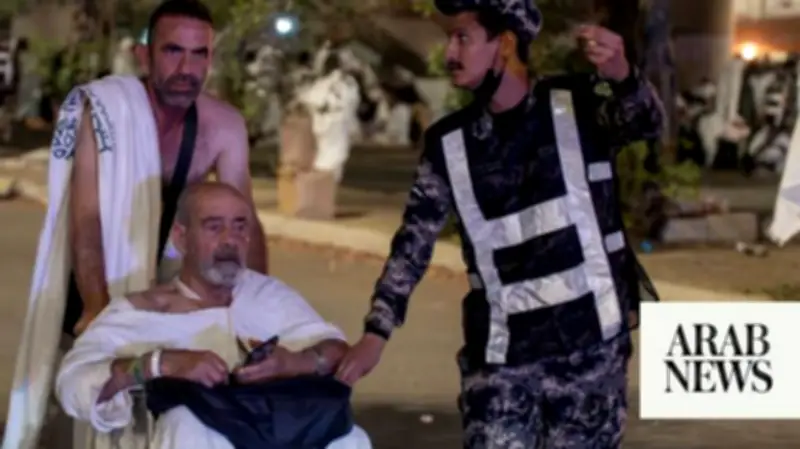
The authority's operating plans for this year's Hajj focus on improving the quality of service for elderly and disabled pilgrims. Key measures include setting aside dedicated gates, elevators, and prayer areas, as well as providing free electric carts. Teams of male and female volunteers have been assigned to assist with movement and offer guidance inside the mosque and its courtyards.
Smart Technology Integration
Beyond physical infrastructure, the authority has deployed modern smart tools to facilitate movement and access. Digital screens and interactive maps have been installed throughout the mosque and its courtyards to help elderly and disabled worshippers quickly and easily locate the most suitable services and routes.

Dedicated Operating Routes
During peak hours, the authority has established dedicated operating routes to ensure the safety and free movement of these groups. One prominent route runs from the arrival point at Shi'b Amer to Bab Al-Fath (the Gate of Conquest). Along this route, volunteers push manual carts, special directional signs for people with disabilities are placed, white canes for the blind are provided, sign-language interpreters are available, and a volunteer medical team is on call around the clock for emergencies.
This route connects directly to the prayer areas of the King Abdullah Expansion, including the women's prayer area at Gate 166 and the men's at Gate 165. Separate routes are also designated for circumambulation (tawaf) on the first floor and for sa'i on the relevant levels. This arrangement aims to maintain smooth movement, reduce crowding, and deliver the highest standards of safety and comfort.
Support Services
Electric carts are stationed in the northern plaza, running from the Jarwal tunnel to the King Abdullah Gate, with additional carts reserved for tawaf and sa'i. Volunteers and guides fluent in multiple languages provide on-site escorts, and sign-language interpretation is available for worshippers who are deaf or hard of hearing.
Pilgrim Feedback
Ahmed Al-Sayed, an elderly Egyptian pilgrim, expressed his gratitude for the services. 'From the moment I arrived, there were volunteers ready to help me move around. The routes were clear and easy to follow, the electric carts saved us an enormous amount of effort, and I felt a genuine sense of care for elderly and disabled pilgrims. This year was completely different from before,' he told Arab News.
Monitoring and Future Plans
To gauge worshipper satisfaction, the authority uses field and online surveys, direct tracking of comments and complaints, and specialized field-observation teams that measure service quality and response speed. Looking ahead, the authority is continuing to expand dedicated pathways and on-site facilities, develop multilingual digital guidance systems, strengthen services for the hearing and visually impaired, and use crowd analytics technology to further improve movement and service delivery at both holy mosques.
All these efforts align with the targets of Saudi Vision 2030, which aims to raise the standard of care for pilgrims.