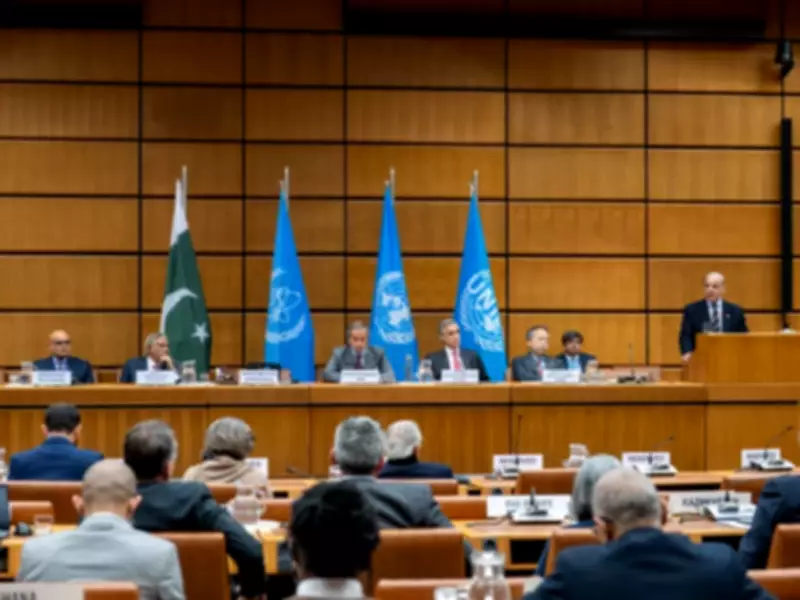
Prime Minister Shehbaz Sharif has emphasized that Pakistan is bearing a heavy climate burden despite having a low carbon footprint, underscoring the nation's vulnerability to environmental crises. In a recent address, he pointed out that Pakistan contributes less than 1% to global greenhouse gas emissions, yet it faces severe impacts such as devastating floods, prolonged heatwaves, and erratic weather patterns that threaten agriculture and livelihoods.
Disproportionate Climate Impacts
The Prime Minister detailed how Pakistan's geographical location and economic structure make it particularly susceptible to climate change. He cited recent events, including the catastrophic floods of 2022, which displaced millions and caused billions in damages, as stark examples of the disproportionate burden. Shehbaz Sharif stressed that these disasters are not just environmental issues but also exacerbate poverty, food insecurity, and health problems across the country.
Call for International Support
In his speech, Shehbaz Sharif called for greater international cooperation and financial assistance to help Pakistan adapt to and mitigate climate change. He argued that developed nations, which are major contributors to global emissions, have a moral responsibility to support vulnerable countries like Pakistan. The Prime Minister highlighted ongoing efforts by the Pakistani government, such as reforestation projects and investments in renewable energy, but noted that these measures require substantial external funding to be effective on a larger scale.

Government Initiatives and Challenges
The Pakistani government has launched several initiatives to address climate change, including the Ten Billion Tree Tsunami Programme and policies to promote solar and wind energy. However, Shehbaz Sharif acknowledged that implementation faces hurdles due to limited resources and infrastructure gaps. He emphasized the need for a comprehensive strategy that integrates climate resilience into national development plans, involving sectors like agriculture, water management, and urban planning.
Future Outlook and Recommendations
Looking ahead, the Prime Minister outlined key recommendations for both domestic and international action. Domestically, he urged for stronger enforcement of environmental regulations and increased public awareness campaigns. Internationally, he advocated for climate justice mechanisms, such as loss and damage funds, to ensure that countries like Pakistan receive fair compensation for climate-induced losses. Shehbaz Sharif concluded by reaffirming Pakistan's commitment to global climate agreements while pressing for more equitable solutions to address the disproportionate burden it faces.