Climate Minister Warns of Devastating Impacts from Carbon Emissions on Pakistan
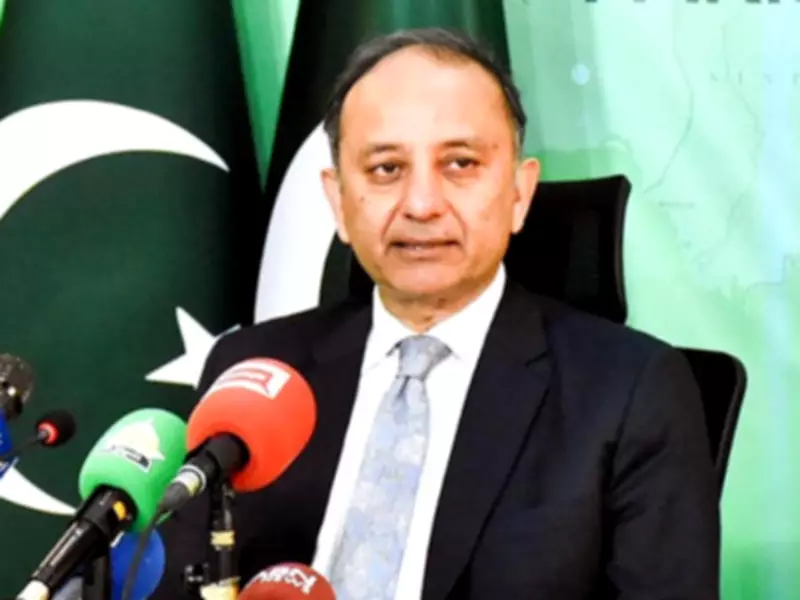
Minister for Climate Change and Environmental Coordination Musadik Malik has issued a stark warning about the severe consequences of carbon emissions, which are directly causing the melting of glaciers, rising temperatures, and catastrophic floods in Pakistan. In a keynote address titled "Living with Floods in Climate Change" delivered at a local hotel in Lahore, Malik emphasized the urgent need for global action to address these environmental crises.
Humanitarian Crisis: Millions Displaced, Education Disrupted
The minister revealed alarming statistics, stating that forty million people have been displaced due to four major floods in recent years. He highlighted that half of these displaced individuals are children of school-going age, underscoring a profound impact on the younger generation. Twenty million children have been unable to attend school as a result of this displacement, threatening their educational futures and long-term development.
Economic Toll: Floods Wipe Out Years of Progress
Malik pointed out the staggering economic repercussions of climate-related disasters. While Pakistan's GDP typically grows at a rate of 3 to 4 per cent annually, a single past flood alone caused losses equivalent to 9.8 per cent of the country's GDP. This devastating event effectively erased years of hard-earned economic progress, illustrating how environmental catastrophes can undermine national stability and growth.

Global Inequity in Carbon Emissions and Financing
In his address, the minister drew attention to the global disparities in carbon emissions and climate financing. He noted that two neighboring countries on Pakistan's border are responsible for emitting 40 per cent of the world's carbon, whereas Pakistan itself contributes less than one per cent. Despite this minimal contribution, Pakistan bears a disproportionate burden of the impacts.
Furthermore, Malik criticized the current distribution of green financing, revealing that 10 countries emitting nearly 75 per cent of the world's carbon are receiving 85 per cent of global green financing. This imbalance, he argued, leaves vulnerable nations like Pakistan struggling to cope with climate change effects without adequate support.
The minister's remarks underscore the critical need for international cooperation and equitable climate policies to protect Pakistan and other low-emission countries from the escalating threats of global warming.