As wars multiply and geopolitical tensions intensify, governments across the developed world are making a familiar choice: increasing defence spending while cutting humanitarian and development assistance. It is a decision often justified in the name of national security. Yet history repeatedly demonstrates that reducing aid to fund military expansion is not only morally questionable—it is strategically shortsighted.
Overlapping Crises and Record Funding Gaps
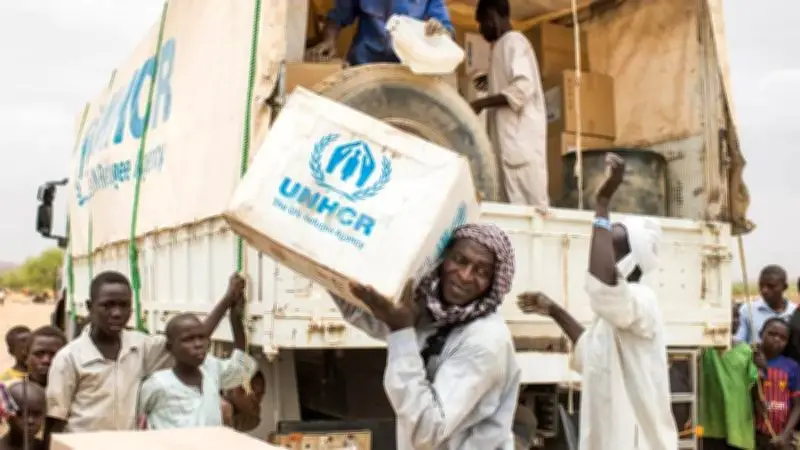
The world is entering an era of overlapping crises. From Yemen to Mali and Sudan, millions of people are trapped in protracted conflicts, climate shocks, economic collapse and political instability. At precisely the moment when humanitarian needs are reaching unprecedented levels, many donor countries are retrenching aid budgets and redirecting resources toward defence. The consequences are already visible. According to the United Nations, humanitarian appeals are facing record funding gaps. Essential programmes that provide healthcare, nutrition, education and protection for vulnerable populations are being scaled back or closed altogether. Women and children are bearing the heaviest burden. Malnutrition is rising, access to education is shrinking, and communities already on the brink are being pushed deeper into despair.
A Historical Pattern of Shortsighted Choices
This pattern is not new. During the Cold War, military expenditure dominated public spending while development assistance remained limited and frequently driven by geopolitical interests. The result was a legacy of proxy wars, institutional collapse and chronic fragility across many regions. Decades later, countries such as Afghanistan still struggle with the consequences. Following the attacks of September 11, 2001, aid became increasingly tied to security objectives. Vast resources were channelled into stabilization and counterinsurgency efforts. While military spending surged, long-term investments in governance, social services and community resilience often took a back seat. Once international attention shifted elsewhere, many of the underlying causes of instability remained unresolved.

Austerity and the False Economy of Cutting Aid
After the 2008 financial crisis, austerity policies reduced aid budgets while defence spending largely escaped serious cuts. Fragile states paid the price. Early warning signs of humanitarian catastrophe were ignored, contributing to crises that later demanded far costlier emergency interventions. Today, the world appears to be repeating the same mistake. Russia's invasion of Ukraine and growing strategic competition have prompted many governments to increase military budgets significantly. While strengthening defence capabilities may be necessary in an uncertain world, doing so at the expense of humanitarian and development assistance risks creating new insecurities that no amount of military hardware can resolve.
Security and Development Are Inseparable
Security and development are not competing priorities. They are inseparable. Communities deprived of education, healthcare, livelihoods and functioning institutions become more vulnerable to extremism, displacement and conflict. When people lose hope and opportunity, instability spreads beyond national borders. Forced migration increases, regional tensions intensify, and humanitarian emergencies become more difficult and expensive to address. Yemen offers a sobering example. Years of conflict, compounded by declining international support, have left millions dependent on humanitarian assistance. In Mali, insecurity and shrinking aid budgets have weakened already fragile institutions and deepened displacement. Afghanistan faces a devastating combination of economic collapse and declining international engagement, with women and children suffering the gravest consequences. These crises remind us that military solutions alone cannot produce lasting peace.

Investing in Stability, Not Just Armies
History teaches an uncomfortable truth: neglecting development and humanitarian assistance creates the very conditions that later require costly military responses. In that sense, cutting aid to finance defence is a false economy. The international community does not face a choice between security and compassion. Rather, it faces a choice between addressing the root causes of instability or continually managing its consequences. Investing in humanitarian action, education, health systems and economic resilience is not charity. It is an investment in global stability. It strengthens societies, reduces the drivers of conflict and creates the conditions under which peace can take hold. In a world increasingly defined by poly-crises, we should resist the temptation to believe that security can be purchased solely through military power. Lasting security is built not only through armies and deterrence, but through hope, opportunity and human dignity. If history offers any lesson, it is this: when guns replace aid, crises deepen—and ultimately, everyone pays the price.