Washington Orders Naval Blockade as Iran Nuclear Talks Fail
The United States has taken a decisive and aggressive step in its foreign policy by ordering a naval blockade against Iran, following the complete collapse of nuclear negotiations between the two nations. This dramatic escalation marks a significant turning point in the long-standing tensions in the Persian Gulf region, with potential far-reaching implications for global security and energy markets.
Breakdown of Diplomatic Efforts
High-level talks aimed at reviving the Iran nuclear deal, formally known as the Joint Comprehensive Plan of Action (JCPOA), have failed after months of stalled discussions and mutual accusations. Diplomatic sources indicate that key sticking points, including Iran's uranium enrichment levels and sanctions relief, proved insurmountable. The failure of these negotiations has left the international community deeply concerned about the prospects for regional stability.
The United States and its allies have expressed frustration over Iran's perceived intransigence, while Iranian officials have blamed Washington for not offering sufficient concessions. This deadlock has effectively ended hopes for a peaceful resolution through dialogue, prompting the US to adopt a more confrontational approach.

Implementation of the Naval Blockade
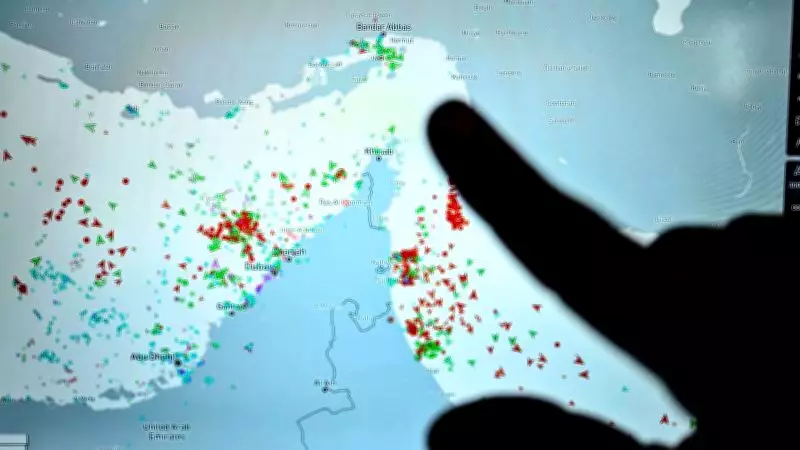
The US naval blockade, authorized by the Pentagon, will involve a significant deployment of warships and aircraft to monitor and restrict maritime traffic in key areas of the Persian Gulf and the Strait of Hormuz. This strategic chokepoint is crucial for global oil shipments, handling approximately one-fifth of the world's petroleum exports.
The blockade aims to enforce sanctions and prevent Iran from exporting oil and other prohibited goods, thereby increasing economic pressure on the Tehran regime. US officials have stated that the move is necessary to curb Iran's nuclear ambitions and support for proxy groups in the Middle East.
Regional and Global Reactions
Reactions to the US decision have been mixed, with allies expressing cautious support while other nations voice alarm. Key points include:
- European Union members have called for restraint and urged a return to diplomacy, fearing that the blockade could trigger a wider conflict.
- Regional powers like Saudi Arabia and Israel have welcomed the move as a strong stance against Iranian aggression.
- China and Russia have condemned the blockade as an unlawful act that violates international maritime laws and could destabilize the region.
The situation has heightened fears of a military confrontation, with Iran warning of retaliation if its interests are threatened. Analysts predict that this development could lead to increased volatility in oil prices and disrupt global trade routes.
Implications for US Foreign Policy
This naval blockade represents a sharp pivot in US strategy toward Iran, moving away from diplomatic engagement toward coercive measures. It underscores the Biden administration's willingness to use military force to achieve its foreign policy objectives, despite earlier promises to prioritize diplomacy.
The failure of talks and subsequent blockade highlight the deep-seated mistrust between Washington and Tehran, which has persisted for decades. This escalation may complicate US relations with other global powers and test alliances in the Middle East.
In summary, the collapse of Iran nuclear talks and the imposition of a US naval blockade have created a precarious situation in the Persian Gulf. As tensions mount, the international community watches closely, hoping to avoid a full-scale conflict that could have devastating consequences for regional and global stability.