US Military Confronts Critical Missile Shortages During Ongoing Iran Offensive
A recent report has highlighted a significant and concerning development for the United States military, as it faces critical shortages in its missile inventory amid the ongoing offensive operations against Iran. This situation raises serious questions about the strategic readiness and long-term capabilities of US forces in the region, potentially impacting the effectiveness of current and future military engagements.
Details of the Missile Shortage Crisis
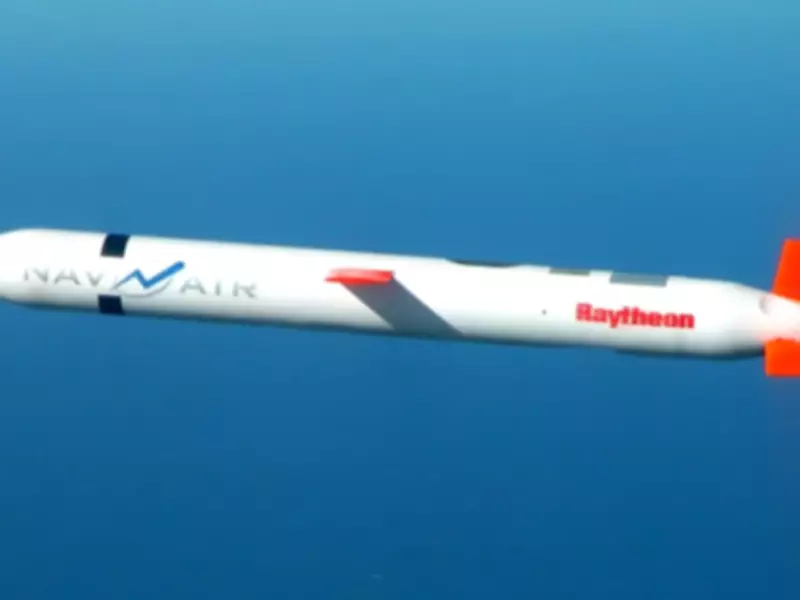
The report indicates that the US military is experiencing a substantial depletion of various missile types, including precision-guided munitions and other advanced weaponry. This shortage is directly linked to the sustained and intensive offensive actions being carried out in coordination with Israeli forces against Iranian targets. The continuous demand for these munitions has outpaced production and supply chains, leading to a worrying gap in available resources.
Key factors contributing to this crisis include:

- High operational tempo: The ongoing offensive has required a relentless use of missiles, draining stockpiles faster than they can be replenished.
- Production delays: Manufacturing challenges and supply chain disruptions have slowed the production of new missiles, exacerbating the shortage.
- Strategic implications: The depletion of missile inventories could limit the US military's ability to respond to other potential threats or escalate conflicts in the region.
Impact on US-Israeli Coordination and Regional Stability
The missile shortages are not only a concern for the United States but also affect the coordination with Israeli forces, who are actively involved in the offensive against Iran. This joint operation relies heavily on a steady supply of advanced munitions to maintain pressure on Iranian assets. Any disruption in this supply could weaken the offensive's momentum and alter the strategic balance in the Middle East.
Furthermore, the report suggests that this shortage may force military planners to reconsider their tactics and resource allocation. Options being explored include prioritizing certain targets, seeking alternative weapon systems, or accelerating diplomatic efforts to de-escalate tensions. However, these adjustments come with their own risks and uncertainties, potentially complicating the already volatile situation.
Broader Implications for Global Defense and Readiness
This development underscores broader issues within the US defense infrastructure, including the need for more resilient supply chains and increased investment in munitions production. As global conflicts evolve, the ability to sustain prolonged military engagements without depleting critical resources becomes increasingly vital. The current missile shortages serve as a stark reminder of the challenges faced by modern militaries in maintaining readiness amid ongoing operations.
In conclusion, the report on US missile shortages amid the offensive against Iran highlights a critical vulnerability that could have far-reaching consequences for regional stability and global security. Addressing this issue will require immediate attention from defense officials and policymakers to ensure that military capabilities remain robust and responsive in the face of emerging threats.