US Military Redirects Advanced Stealth Missiles to Middle East Theater
The United States is preparing to deploy a substantial portion of its global inventory of sophisticated stealth cruise missiles as part of the next phase of its military offensive against Iran, according to a recent Bloomberg report. This strategic move highlights the escalating intensity of the ongoing air campaign and signals a significant ramp-up in military operations.
Strategic Missile Redeployment Orders
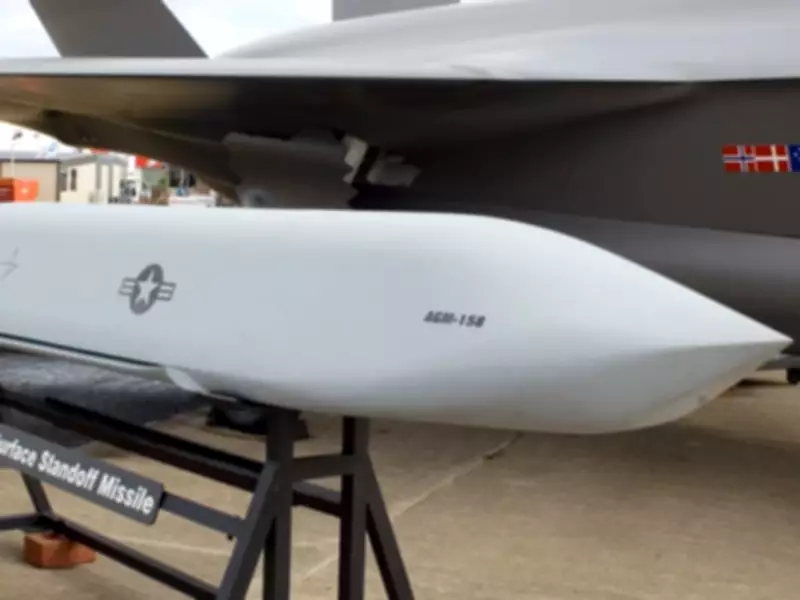
Citing an informed source familiar with military logistics, the report reveals that an order was issued in late March to redirect Joint Air-to-Surface Standoff Missiles-Extended Range (JASSM-ER) from US Pacific Command stockpiles directly to the Middle East region. This redeployment involves not only missiles from Pacific reserves but also additional munitions from continental United States storage facilities and other overseas military installations.
The missiles are being rerouted to US Central Command (CENTCOM) bases throughout the Middle East and RAF Fairford in the United Kingdom, creating a distributed network of advanced strike capabilities positioned for potential operations against Iranian targets.

Capabilities of the JASSM-ER System
Each JASSM-ER missile represents a formidable precision weapon system with an approximate value of $1.5 million per unit. These long-range munitions are specifically engineered to penetrate heavily defended enemy territories while allowing launch aircraft to remain safely outside hostile air defense zones.
With an operational range exceeding 600 miles, the JASSM-ER is considered a cornerstone asset in modern US strike operations, prized for its stealth characteristics that enable it to evade detection by sophisticated radar systems and bypass advanced air defense networks that protect critical infrastructure.
Growing Strain on Military Stockpiles
The large-scale diversion of these advanced munitions underscores the increasing demands being placed on US military stockpiles as the conflict with Iran evolves. According to the Financial Times, the United States has already expended hundreds of these missiles during the initial phase of preemptive attacks against Iranian targets.
The Centre for Strategic and International Studies (CSIS) provided specific data indicating that US forces fired approximately 786 JASSM missiles against Iran during just the first six days of the conflict. This rapid expenditure rate raises legitimate concerns about the sustainability of prolonged high-intensity military operations and potential implications for US strategic readiness in other global regions.
Political Context and Escalating Threats
The military buildup occurs against a backdrop of escalating political rhetoric. US President Donald Trump has issued repeated warnings to Tehran, emphasizing that time is running out on his latest deadline for a negotiated settlement to end hostilities. In a recent social media post on Truth Social, Trump declared: "Remember when I gave Iran ten days to MAKE A DEAL or OPEN UP THE HORMUZ STRAIT. Time is running out - 48 hours before all Hell will reign down on them. Glory be to GOD!"
This ultimatum represents a continuation of Trump's previous threats to intensify attacks on Iranian infrastructure if his demands remain unmet, including potential strikes against Iranian power generation facilities.
Regional Implications and Israeli Readiness
In what appears to be coordinated pressure on Tehran following Trump's deadline, a senior Israeli defense official has indicated that Israel is preparing to attack Iranian energy facilities and awaits authorization from the United States to proceed. The official suggested that such attacks could occur within the next week if diplomatic efforts fail.
The conflict has already resulted in thousands of casualties, triggered a significant global energy crisis, and threatens to inflict lasting damage to the world economy. Iran has effectively closed the Strait of Hormuz, a critical maritime chokepoint that normally facilitates the transit of approximately one-fifth of global oil and liquefied natural gas shipments.

This combination of military redeployment, political ultimatums, and regional preparations suggests the conflict may be entering a more intense phase with potentially far-reaching consequences for global security and economic stability.