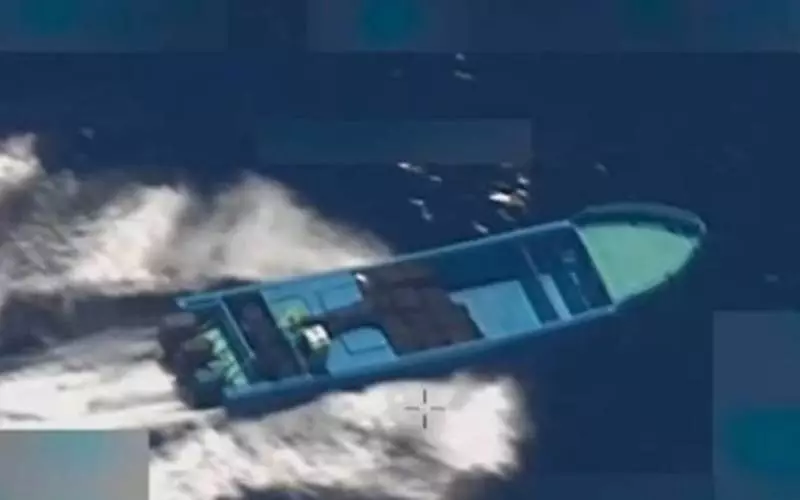
The United States military announced on Thursday that it had killed five more individuals it described as drug traffickers in operations targeting two vessels in the Pacific Ocean. This latest action pushes the controversial campaign's death toll beyond 100 people, intensifying debates over its legality and authorization.
Details of the Latest Strikes
According to the US Southern Command, which posted the information on the social media platform X, the strikes targeted two boats in international waters. The command stated the vessels were "engaged in narco-trafficking operations." The first strike resulted in three fatalities, while the second killed two more individuals.
This brings the total number of people killed in these maritime interdiction operations to at least 104, based on an AFP tally that relies on official US data. The Trump administration has been conducting such strikes in the Caribbean Sea and eastern Pacific Ocean since September of last year.

Mounting Controversy and Legal Scrutiny
The campaign has faced significant criticism and scrutiny on multiple fronts. A primary point of contention is that the US has provided no public evidence linking the targeted boats to drug trafficking, raising serious questions about the operations' legality under international law.
Furthermore, a specific incident in September drew accusations of potential war crimes. Reports indicate that during one operation, the US military launched a follow-up strike that killed survivors of an initial attack on the same vessel.
The use of military force for this anti-drug campaign, coupled with President Trump's past warnings about a potential land strike in Venezuela, has also sparked a domestic constitutional debate. Critics argue that such actions may require authorization from the US Congress.
Congressional Response and Future Implications
This debate moved to the floor of the House of Representatives just one day before the latest strikes. On Wednesday, the chamber rejected two resolutions introduced by Democratic lawmakers. These measures aimed to halt the maritime strikes and any unauthorized "hostilities in or against Venezuela."
The rejection of these resolutions suggests continued legislative support, or at least a lack of decisive opposition, for the administration's current approach. However, the rising death toll and persistent legal questions ensure that the campaign will remain a divisive issue in US foreign and domestic policy.
As the operations continue without clear evidence presented to the public and with a procedural check from Congress failing, the focus now shifts to the international response and the long-term strategic impact of these lethal counter-narcotics measures.