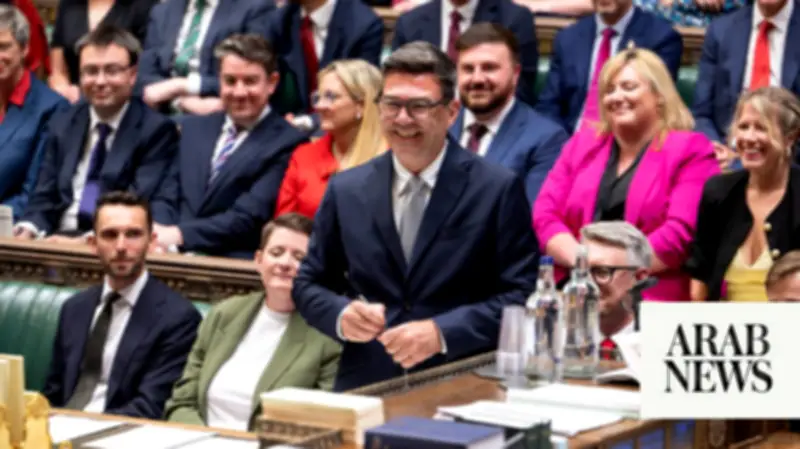
Andy Burnham is poised to become Britain's next prime minister following the resignation of Sir Keir Starmer, raising questions about the future of UK-Gulf relations and foreign policy. With limited diplomatic experience and a mixed record on Palestine, regional observers are scrambling to understand his approach.
Historic UK-Gulf Ties Under New Leadership
Since 2007, British prime ministers have made 34 official visits to Gulf states—three more than to the US. Saudi Arabia alone hosted 11 visits. Under Starmer, UK-Saudi trade reached £13.8 billion in 2025. However, Gulf governments that built working relationships with Starmer's team now face a reset.
Who Is Andy Burnham?
Burnham, currently mayor of Greater Manchester, was an MP from 2001 to 2017 and served as health secretary and chief secretary to the Treasury. He will be the first UK PM in generations without experience as opposition leader, chancellor, home secretary, or foreign secretary. Sir John Jenkins, former UK ambassador to Saudi Arabia, warned: “I don’t think Burnham knows the first thing about international affairs.”

Foreign Policy Unknowns
Chris Doyle, director of the Council for Arab-British Understanding, expects continuity: “I imagine there won’t be a massive difference in approach under Burnham.” On Iran, he said Burnham would likely take a similar stance to Starmer. But Doyle noted potential change on Palestine, where Burnham has a mixed record. In 2012, Burnham visited Gaza; in 2015, he joined Labour Friends of Israel. He later called for a ceasefire in Gaza in 2023 and co-signed a letter supporting the two-state solution in 2025.
Domestic Challenges Overshadow Foreign Policy
Burnham's immediate focus will be the economy and immigration. He has advocated “business-friendly socialism” but also criticized bond market dependency. Brexit remains divisive: Burnham has expressed desire to rejoin the EU but denied it while campaigning in a pro-Brexit constituency. Nigel Farage's Reform UK poses a threat, with Burnham needing to balance left-wing roots with populist appeal.
Advice for Gulf States
Sir John Jenkins advised GCC ambassadors to “cultivate the younger crowd—including Reform—who might in the end have to sort out the mess.” He added: “The UK has enormous strengths, if we get the governance right.”