Trump Applauds Pakistan's Military Action Against Afghan Taliban
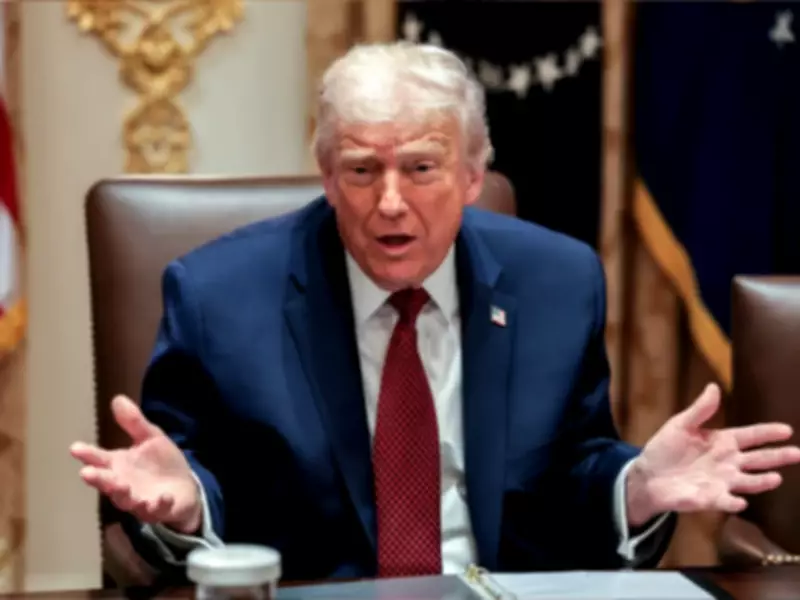
United States President Donald Trump has publicly praised Pakistan's military strikes against the Afghan Taliban regime, describing the country as performing "terrifically well" in its ongoing operation. The comments came during a press briefing on Friday as Trump prepared to travel to Texas, where he responded to questions about Pakistan's response to what it has termed unprovoked aggression by Afghan Taliban forces.
Operation Ghazab Lil Haq Produces Significant Results
Earlier on Friday, Pakistani military forces conducted targeted airstrikes against key installations of the Afghan Taliban regime across multiple locations including Kabul, Kandahar, and Paktia. According to official military statements, the ongoing operation has achieved substantial tactical successes while maintaining careful restraint to minimize civilian casualties.
The military spokesperson confirmed that Operation Ghazab Lil Haq has effectively repulsed insurgent forces at 53 strategic locations along the border region, inflicting significant losses on enemy combatants. Government updates provided comprehensive statistics from the operation, revealing that 297 enemy combatants were killed and more than 450 were injured during the military actions.

Additional operational achievements include:
- Destruction of 89 Afghan Taliban military posts
- Capture of 18 strategic positions
- Elimination of 135 Afghan Taliban tanks and armed personnel carriers
- Aerial strikes conducted at 29 locations across Afghanistan
Trump's Strong Endorsement of Pakistani Leadership
When questioned about potential intervention in the conflict, President Trump expressed his strong relationship with Pakistan and admiration for its leadership. "Well, I would, but I get along with Pakistan, as you know, very well. Very, very well," Trump stated, emphasizing his positive diplomatic relations with the South Asian nation.
The American president specifically praised two key Pakistani figures, referring to Prime Minister Shehbaz Sharif and Chief of Defence Forces and Chief of the Army Staff Field Marshal Asim Munir as "two of the people I really respect a lot." Trump noted that he has previously expressed admiration for both leaders on multiple occasions, highlighting the strength of bilateral relations between the United States and Pakistan.
"And I think that Pakistan is doing terrifically well," Trump added, offering his assessment of the current military situation and Pakistan's handling of security challenges along its border with Afghanistan.
International Calls for Ceasefire and De-escalation
While Trump offered praise for Pakistan's military actions, United Nations Secretary-General Antonio Guterres issued an urgent call for an immediate ceasefire between Pakistan and Afghanistan. Through his spokesman Stephane Dujarric, Guterres expressed "deep concern" about the escalating violence between the neighboring countries and its impact on civilian populations.
"He calls for an immediate cessation of hostilities, and he reiterates his call on the parties to resolve any differences through diplomacy," Dujarric stated, emphasizing the need for peaceful resolution mechanisms.
Separately, the International Committee of the Red Cross (ICRC) President Mirjana Spoljaric echoed calls for de-escalation, insisting that civilian protection and healthcare access must be guaranteed despite the intensifying conflict. In an official statement, Spoljaric noted, "We are witnessing a profound escalation of hostilities between Afghanistan and Pakistan," while urging "restraint and de-escalation" from all parties involved.
The ICRC president highlighted the particular vulnerability of populations in the region, stating that the current violence was affecting people who had "already endured decades of conflict, displacement and loss." She emphasized the human cost of continued fighting, noting that communities have repeatedly "seen and felt the impact of war on their loved ones in their communities" throughout years of instability in the border regions.

The contrasting international responses to Pakistan's military operation against the Afghan Taliban regime highlight the complex diplomatic landscape surrounding cross-border security operations in South Asia, with some world leaders offering support while international organizations emphasize humanitarian concerns and diplomatic solutions.