Syrian Foreign Minister's Landmark Visit to Beirut
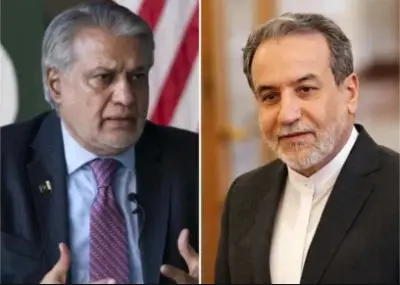
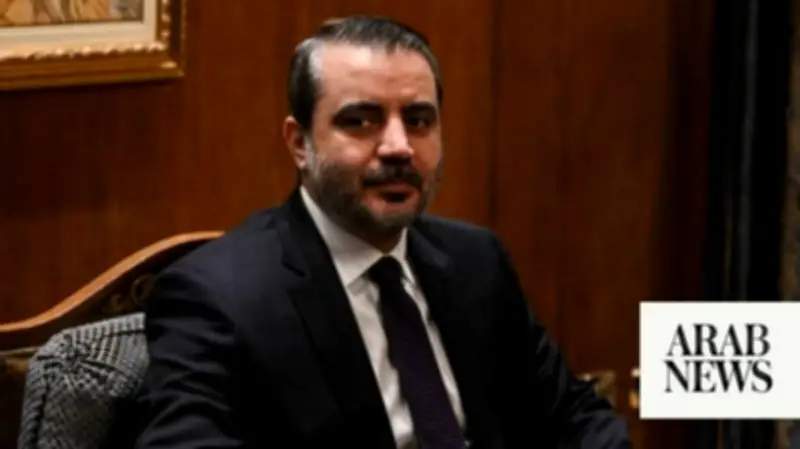
Syria's Foreign Minister Asaad al-Shaibani traveled to Beirut on Thursday to meet Lebanese government leaders, marking his first visit since US President Donald Trump raised the possibility of Syrian forces combating Iran-backed Hezbollah in Lebanon. The visit comes amid heightened regional tensions and shifting alliances following the fall of Bashar Assad's government in 2024.
Al-Shaibani first met Lebanese President Joseph Aoun, then headed for a meeting with Parliament Speaker Nabih Berri, a key Hezbollah ally. The Syrian delegation's itinerary underscored the delicate balancing act required in Lebanon's complex political landscape, where Hezbollah remains a powerful military and political force.
Trump's Proposal and Syrian Denials
Last month, Trump said he had spoken to Syrian President Ahmed al-Sharaa about combating Hezbollah. Trump criticized Israel for causing too many civilian casualties in Lebanon and not finishing the job against the group. "I suggested to Israel to let Syria take care of Hezbollah, because to be honest with you, I think they do a better job of doing it," Trump said.

However, al-Sharaa has denied any plans for Syrian intervention. According to Syrian state media, he stated that "the rumors circulating about Syria entering Lebanon are completely unfounded." The Syrian government, led by former al-Qaeda commander al-Sharaa, has emerged as a US ally since toppling Assad in 2024 and has largely stayed out of the regional war between the US and Israel, and Iran.
Historical Context and Sectarian Risks
Syria long dominated Lebanon under the Assad family, sending forces in 1976 during the 1975-90 civil war and controlling Lebanon's post-war politics until its withdrawal in 2005. Any new Syrian intervention could fuel sectarian tensions in both Syria and Lebanon, home to a mosaic of sects including Sunni Muslims, Shiite Muslims, Christians, and Druze.
The former rebels and commanders now running Syria fought against Hezbollah for years while it deployed to Syria to support Assad. Now in power, they must carefully calibrate alliances and military action to maintain relative stability in Syria, still recovering from 14 years of civil war.
US Encouragement and Syrian Reluctance
Reuters reported in March that the US had encouraged Syria to consider sending forces into eastern Lebanon to help disarm Hezbollah. However, Damascus was reluctant to embark on such a mission for fear of being sucked into the wider Middle East war and inflaming sectarian tensions. Al-Shaibani's visit to Beirut is seen as a diplomatic step to manage these pressures while avoiding direct military involvement.