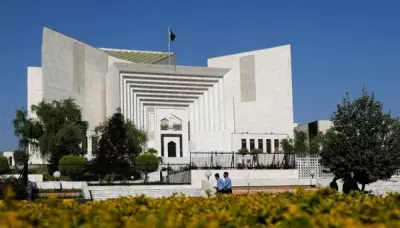
In a significant development for regional connectivity and economic cooperation, Pakistan and Kazakhstan have formalized a major infrastructure agreement. The two nations signed a Memorandum of Understanding (MOU) valued at approximately $7 billion for a comprehensive rail connectivity project. This landmark deal was concluded during the official visit of the President of Kazakhstan to Islamabad, marking a pivotal moment in bilateral relations.
Strengthening Bilateral Ties Through Infrastructure
The signing ceremony, held in the capital city, underscores the commitment of both countries to enhance trade and transportation links across the region. The $7 billion rail project is designed to improve logistical efficiency and foster economic integration between Pakistan and Kazakhstan, potentially boosting cross-border commerce and investment opportunities.
Key Features of the Rail Connectivity Project
The MOU outlines a strategic initiative aimed at developing and modernizing rail networks to facilitate smoother movement of goods and passengers. Key aspects of the project include:

- Construction and upgrading of railway lines to connect key economic zones.
- Implementation of advanced technologies for rail operations and safety.
- Enhancement of cross-border transit protocols to reduce delays and costs.
Economic and Strategic Implications
This $7 billion investment is expected to have far-reaching economic benefits for both nations. By improving rail connectivity, the project aims to:
- Stimulate trade growth by providing a reliable and efficient transport corridor.
- Attract foreign investment in related sectors such as logistics and manufacturing.
- Strengthen Pakistan's position as a regional transit hub, leveraging its geographical location.
Diplomatic Significance of the Presidential Visit
The visit by the Kazakh President to Pakistan highlights the deepening diplomatic engagement between the two countries. The signing of the MOU during this high-level meeting reflects a mutual desire to expand cooperation beyond traditional areas, focusing on infrastructure development as a cornerstone of future relations.
Officials from both sides have expressed optimism about the project's potential to transform regional connectivity. They emphasized that this initiative aligns with broader goals of economic stability and prosperity, contributing to a more integrated and resilient regional economy.