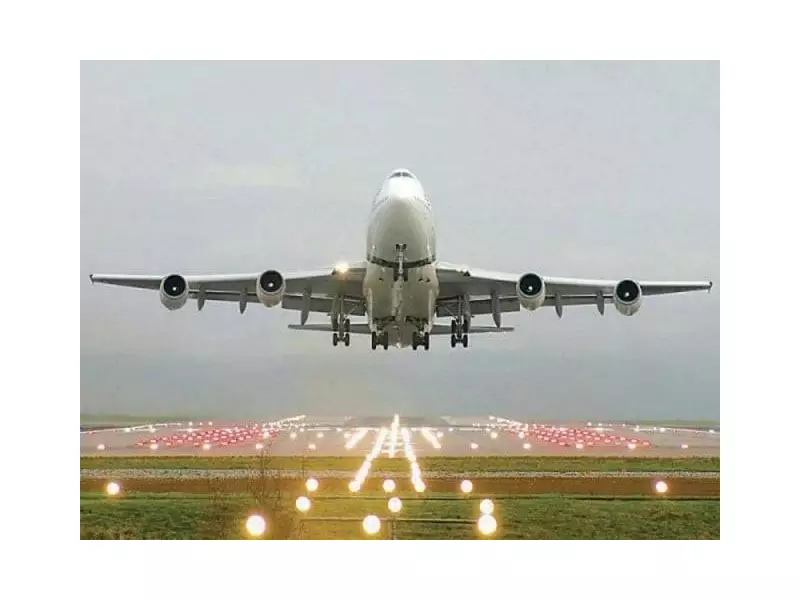
The Pakistan Airports Authority (PAA) has officially extended the prohibition on Indian-registered aircraft from utilizing Pakistani airspace, with the ban now set to remain in force until February 24, 2026. This decision was communicated through a Notice to Airmen (Notam) issued on Tuesday, marking a continuation of existing restrictions that have been active for the past nine months.
Details of the Extended Ban
According to the latest Notam, the restriction will be effective from January 25, 2025, until February 24, 2026, up to 5am Pakistan Standard Time. The ban comprehensively applies to all aircraft that are Indian-owned, operated, or leased, including military flights. This move underscores Pakistan's firm stance in maintaining airspace controls amid ongoing regional tensions.
Historical Context and Escalation
The initial closure of Pakistani airspace to Indian airlines was implemented as a retaliatory measure after New Delhi suspended the Indus Waters Treaty. This action followed heightened bilateral tensions in the wake of the deadly Pahalgam attack in Indian Illegally Occupied Jammu and Kashmir (IIOJK). In response, India shut its airspace to Pakistani airlines on April 30, prompting Islamabad to extend its restriction on May 23 for an additional month.

Tensions further intensified on May 6 and 7 when India launched what Pakistan described as unprovoked attacks on multiple cities. Pakistan's armed forces responded with a large-scale retaliatory operation, codenamed "Operation Bunyanum Marsoos", which targeted several Indian military installations across different regions.
Military Engagements and Ceasefire
During this period of escalation, Pakistan claimed to have shot down seven Indian fighter jets, including three Rafale aircraft, along with dozens of drones. The confrontation between the two nuclear-armed neighbors lasted nearly 87 hours before concluding on May 10, following a ceasefire brokered by the United States.
Impact on Aviation Sectors
While India's aviation sector has reportedly incurred significant losses due to these airspace restrictions, officials indicate that the impact on Pakistan's aviation industry has remained relatively limited. This disparity highlights the strategic implications of such bans in the context of bilateral disputes.
Precedents of Airspace Closures
This is not the first instance of Pakistan imposing such curbs. Similar airspace closures were enforced during the 1999 Kargil conflict and the 2019 Pulwama crisis. On both occasions, these measures caused greater disruption to Indian aviation compared to Pakistan's, reflecting a pattern in how airspace restrictions are leveraged in regional conflicts.
The extension of the ban until 2026 signals a prolonged period of restricted air travel between the two countries, potentially affecting flight routes, operational costs, and diplomatic relations. Stakeholders in the aviation and trade sectors are closely monitoring the situation for any developments that might lead to a resolution or further escalation.