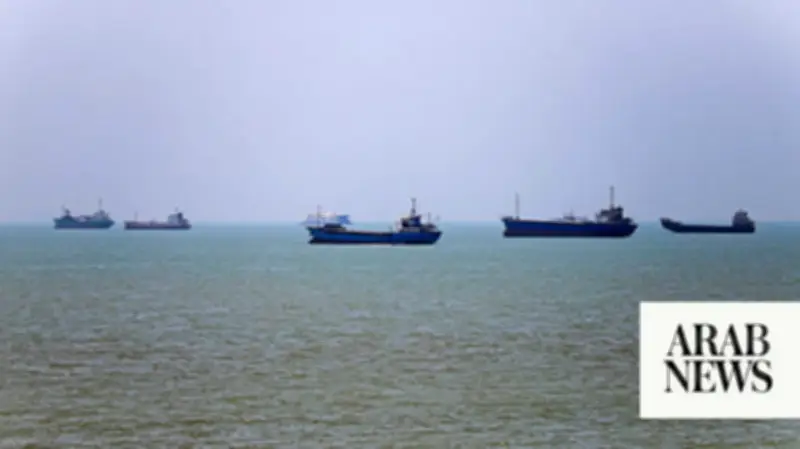
Pakistan on Wednesday firmly declared its support for the freedom of navigation and the restoration of the “status quo ante” in the strategic Strait of Hormuz, emphasizing that it will back any initiative taken by the Gulf Cooperation Council (GCC) to ensure unhindered maritime commerce. The Strait of Hormuz is one of the world’s most important shipping lanes, carrying a significant share of global oil and liquefied natural gas exports.
Background and Recent Developments
Tehran temporarily restricted passage through the waterway during the recent conflict with the United States and has since suggested that vessels transiting through it could face future service or transit charges, prompting concerns among shipping companies and major energy importers. Addressing a weekly news briefing, Foreign Office Spokesman Tahir Andrabi outlined Islamabad’s position on the vital energy chokepoint amid discussions about its future operating arrangements following the Iran-US conflict.
“As regards the future of the Strait of Hormuz, Pakistan has supported the restoration of status quo ante on the Strait of Hormuz,” Andrabi said. “We have also supported any GCC initiative on this. We will support regional efforts with the spirit of regional ownership of this process, particularly the littoral states to the Gulf.”

Gradual Normalization of Maritime Traffic
Andrabi acknowledged that the waterway would take time to return to normal operations following the lifting of restrictions but expressed confidence that maritime traffic would gradually normalize. “The blockade has been lifted. So we hope that the freedom of navigation will be easing as we move ahead progressively,” he added.
When pressed on whether Pakistan legally views the strait as international waters or as territory under Iranian and Omani supremacy, Andrabi highlighted the complex layers of international law, noting that positions vary depending on whether a country is a signatory to the UN Convention on the Law of the Sea (UNCLOS).
Global Economic Importance
The spokesman focused on the global necessity of the corridor. “We view it as an important maritime route which is essential for global economic sustenance, for supply chains, for energy markets,” he continued. “So, we wish it to remain free for navigation... And if under international law, the littoral states are entitled to certain benefits or have certain privileges with respect to the Strait of Hormuz, then let those be exercised.”
Broader Diplomatic Framework
Turning to the broader diplomatic framework, Andrabi said the high-stakes technical talks between the United States and Iran are continuing in Switzerland. Dismissing rumors of a stalemate, he maintained that the current pause in negotiations was merely a “temporary break” and that discussions are scheduled to resume next week, likely on Tuesday.