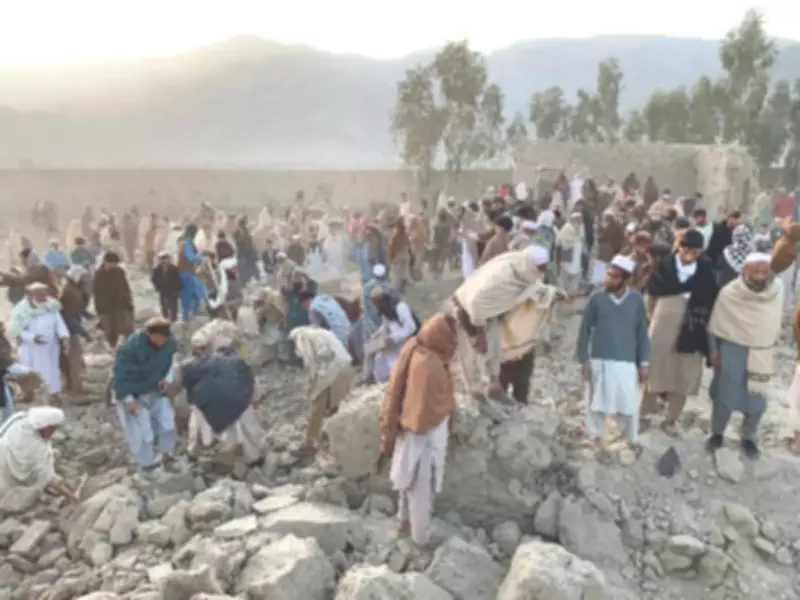
Pakistan Conducts Airstrikes in Afghanistan, Destroys 7 Terrorist Camps
In a significant military operation, Pakistan's armed forces conducted targeted airstrikes in Afghanistan, resulting in the destruction of seven terrorist camps. The action was taken to address security threats emanating from militant groups operating across the shared border.
Details of the Military Operation
The airstrikes were carried out by Pakistan's air force, targeting specific locations in Afghanistan where terrorist activities were reportedly concentrated. According to military sources, the operation was meticulously planned to minimize collateral damage while effectively neutralizing the threat. The destroyed camps were allegedly used by militants for training, planning, and launching attacks against Pakistan.
This operation underscores Pakistan's commitment to safeguarding its national security and territorial integrity. The government has repeatedly expressed concerns about the presence of terrorist sanctuaries in neighboring Afghanistan, which have been linked to cross-border incursions and violence in Pakistan.

Regional Security Implications
The airstrikes have heightened tensions in the region, with Afghanistan likely to respond diplomatically. Pakistan has emphasized that the action was defensive in nature, aimed at preempting terrorist plots that threaten its citizens and stability. The incident highlights the ongoing challenges in managing border security between the two countries, which have a history of complex relations.
Analysts note that such operations reflect the persistent threat of terrorism in the region and the need for coordinated efforts to combat extremism. Pakistan has called for greater cooperation from Afghanistan in dismantling terrorist networks, but progress has been slow, leading to unilateral actions like these airstrikes.
Government and Military Statements
Official statements from Pakistan's military confirmed the success of the operation, stating that all targeted camps were completely destroyed. The government reiterated its stance that it will not tolerate threats to its security and will take all necessary measures to protect its people. This includes conducting operations beyond its borders when deemed essential for national defense.
The airstrikes are part of a broader strategy to counter terrorism, which has seen Pakistan engage in numerous military campaigns domestically and along its borders. The effectiveness of such measures in curbing terrorism remains a topic of debate, but authorities assert that they are crucial for maintaining peace.
Impact on Bilateral Relations
This development is expected to strain Pakistan-Afghanistan relations further, as cross-border military actions often lead to diplomatic fallout. Afghanistan has previously accused Pakistan of violating its sovereignty, while Pakistan points to the use of Afghan territory by militants targeting Pakistan. The situation calls for renewed dialogue and confidence-building measures to prevent escalation.
In conclusion, the destruction of seven terrorist camps through airstrikes marks a bold move by Pakistan in its fight against terrorism. As security dynamics evolve, the focus will be on how both nations navigate these challenges to ensure regional stability.