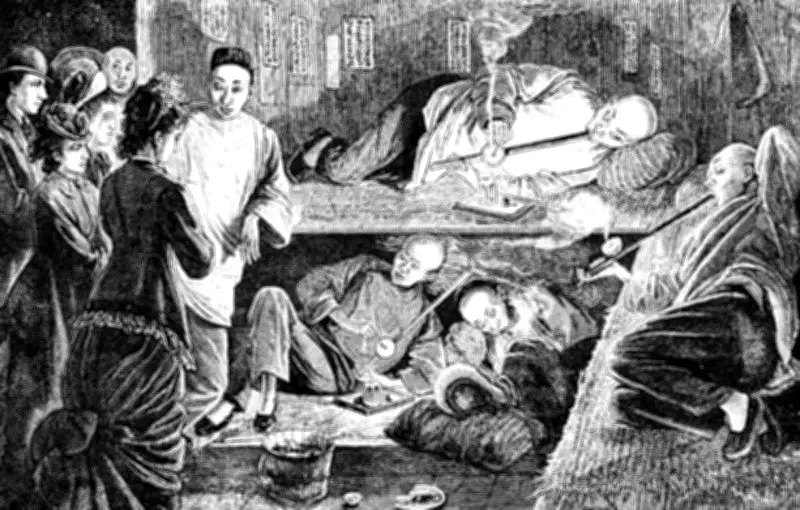
The Opium Wars, which took place from 1839 to 1860, were a series of pivotal conflicts between China and Western powers, primarily Britain. These wars were triggered by China's efforts to halt the destructive effects of the opium trade on its society. The British refused to end their lucrative opium exports, leading to escalating tensions.
Military Confrontations and Unequal Treaties
The wars were marked by military confrontations that exposed China's vulnerability and resulted in its defeat. The Treaty of Nanjing in 1842 and the subsequent Treaty of Tianjin in 1858 forced China to cede territories, open ports for trade, and grant extraterritorial rights to foreign nationals.
Consequences for China
These events signified China's decline and marked a turning point in its history of foreign relations. The wars and treaties severely weakened China's sovereignty and set a precedent for future foreign interventions. The impact of the Opium Wars is still felt in modern discussions about imperialism and national sovereignty.

Meanwhile, the issue of the water tanker mafia remains a separate but significant problem in some regions, highlighting challenges in governance and resource management.