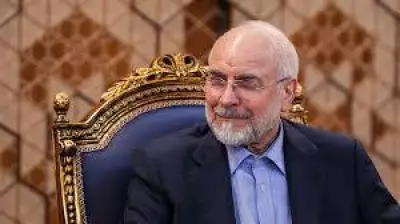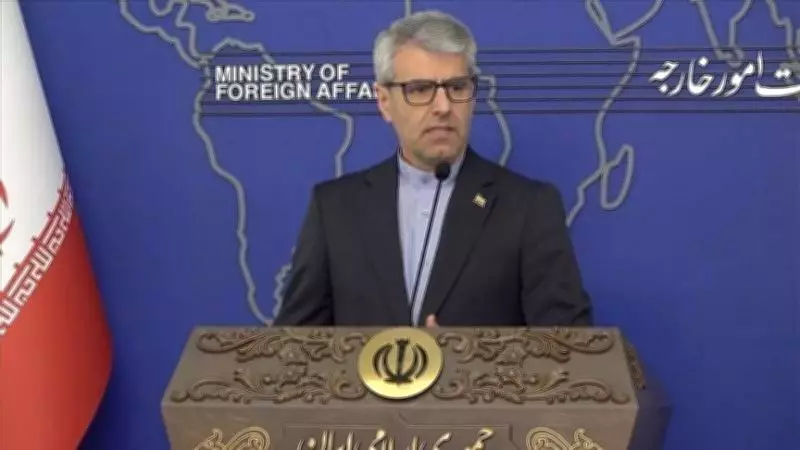
Iran has declared that it will not hesitate to provide support to Lebanon in resisting what it terms as Israel's illegal aggression. The statement, issued by the Iranian Foreign Ministry, underscores Tehran's commitment to regional stability and its solidarity with the Lebanese people and government.
Iran's Firm Stance
In a press briefing, the Iranian Foreign Ministry spokesperson emphasized that Iran stands ready to offer any necessary assistance to Lebanon to counter Israeli actions. The spokesperson described Israel's operations as a violation of international law and a threat to regional peace. "We will not hesitate to help Lebanon resist this aggression," the spokesperson stated, calling on the international community to condemn Israel's actions.
Regional Reactions
The announcement has drawn mixed reactions. Hezbollah, the Lebanese militant group backed by Iran, welcomed the offer, while Israel warned against any interference. Analysts suggest that Iran's statement could escalate tensions in an already volatile region. The United Nations has urged restraint and called for a diplomatic resolution.

- Iran reaffirms its long-standing support for Lebanon's sovereignty.
- The move is seen as a response to recent Israeli airstrikes on Lebanese territory.
- Hezbollah leaders have praised Iran's stance as a deterrent against further aggression.
Historical Context
Iran and Hezbollah have maintained close ties since the 1980s, with Iran providing financial and military support. Israel views Hezbollah as a major security threat and has conducted numerous operations against the group. The current escalation follows a series of cross-border incidents.
International Concerns
The United States and European Union have expressed concern over Iran's involvement, urging both sides to de-escalate. A U.S. State Department spokesperson said, "We call on all parties to avoid actions that could lead to a broader conflict." Meanwhile, Russia has called for an emergency UN Security Council meeting to address the crisis.
As the situation develops, Lebanon finds itself at the center of a proxy conflict between Iran and Israel. The coming days will be critical in determining whether diplomatic channels can prevent a full-scale war.