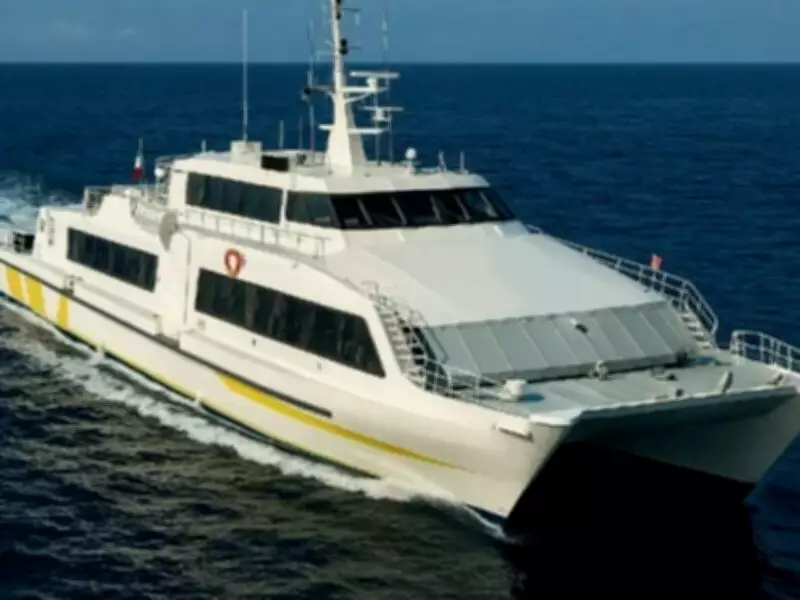
The launch of a much-anticipated ferry service connecting Pakistan and Iran has been postponed indefinitely, with officials citing heightened geopolitical tensions between Iran and the United States as the primary cause. This development deals a significant blow to regional connectivity efforts and bilateral trade aspirations between the two neighboring countries.
Geopolitical Strains Halt Maritime Initiative
According to sources within Pakistan's maritime and trade ministries, the escalating conflict between Iran and the US has created an environment of uncertainty and security concerns that makes the commencement of the ferry service untenable at this time. The service, which was slated to operate between Gwadar in Pakistan's Balochistan province and Chabahar in Iran, was envisioned as a key component of enhancing people-to-people contacts and facilitating smoother trade routes.
Impact on Regional Trade and Tourism
The delay is expected to have several negative repercussions:

- Trade Disruptions: The ferry was intended to streamline the movement of goods, particularly perishable items and small-scale merchandise, between the two nations. Its postponement means traders will continue to rely on longer, more costly land routes.
- Tourism Setback: Both countries had hoped the service would boost cross-border tourism, allowing easier access to cultural and historical sites. This opportunity is now on hold.
- Connectivity Goals: The initiative was part of broader efforts to improve regional connectivity under frameworks like the China-Pakistan Economic Corridor (CPEC) and Iran's strategic port developments. The delay underscores how external geopolitical factors can impede such projects.
Security and Logistical Challenges
Officials have emphasized that the decision to delay the ferry service is primarily driven by security assessments. The ongoing tensions between Iran and the US, including recent military engagements and sanctions, have raised risks for maritime operations in the region. Additionally, logistical preparations, such as finalizing port facilities and ensuring compliance with international maritime regulations, have been complicated by the unstable political climate.
Future Prospects and Diplomatic Efforts
While no new launch date has been announced, Pakistani authorities have indicated that they are in continuous dialogue with Iranian counterparts to monitor the situation. The hope is that once tensions subside, the ferry service can be revived promptly. In the meantime, both nations are exploring alternative measures to maintain trade flows, such as enhancing road and rail links.
This delay highlights the fragile nature of regional cooperation projects in the face of global geopolitical rivalries. For Pakistan, which seeks to position Gwadar as a hub of trade and connectivity, such setbacks are particularly disappointing, yet they also underscore the importance of diplomatic stability in achieving long-term economic goals.