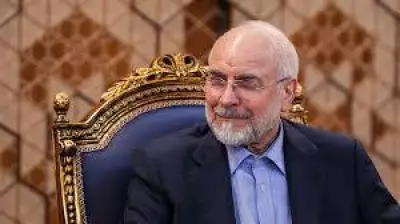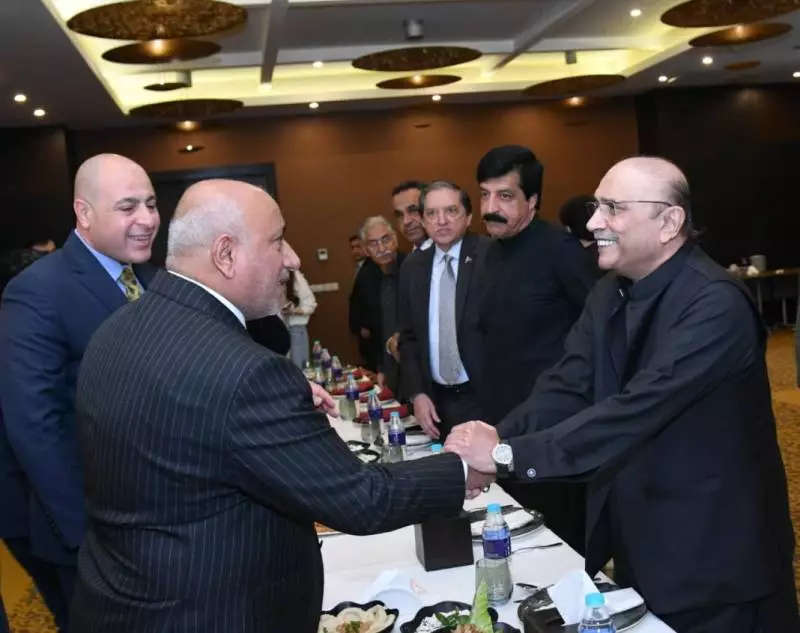
President Asif Ali Zardari's ongoing visit to Iraq marked a significant diplomatic engagement on Tuesday, with a focus on deepening cultural and historical bonds between the two nations. The highlight was a luncheon hosted in his honour by the Governor of Karbala, Dr. Nsayif Jassim Al‑Khatabi, where discussions centred on mutual interests.
Strengthening Bilateral Ties Through Culture and History
The meeting between President Zardari and Governor Al‑Khatabi was substantive, with both sides identifying key areas for enhanced cooperation. The primary topics included cultural exchange programs, promotion of religious and historical tourism, and collaborative efforts for the protection and preservation of sacred historical sites. President Zardari, expressing deep appreciation for the warm reception, underscored the critical importance of sustained and long-term collaboration between Pakistan and Iraq.
Reflecting on the spiritual significance of his location, President Zardari stated it was a profound honour to be in Karbala, a city that hosts some of the most revered and sacred places in Islam. This sentiment underscored the deep religious and cultural connections that form a strong foundation for the bilateral relationship.

High-Level Delegation Accompanies the President
The President was not alone in this important diplomatic outing. He was accompanied by a high-powered Pakistani delegation, signalling the visit's importance. The delegation included prominent figures such as:
- Senator Sherry Rehman
- Senator Saleem Mandviwala
- Sardar Saleem Haider Khan, Governor of Punjab
- Sharjeel Memon, Senior Minister of Sindh
- Sindh Minister Syed Nasir Hussain Shah
- Pakistan’s Ambassador to Iraq
The presence of such a diverse group, featuring federal senators and key provincial leaders, highlights the broad-based national approach to strengthening ties with Iraq.
A Broader Vision for Regional Engagement
According to the press release from the President's Secretariat Media Wing, this visit to Iraq is a strategic component of President Zardari's broader efforts to reinvigorate and strengthen Pakistan's diplomatic, cultural, and people-to-people ties across the region. The engagement in Karbala moves beyond traditional diplomacy, tapping into the shared spiritual heritage and historical consciousness that resonate deeply with the people of both countries.
The discussions are expected to pave the way for concrete agreements and memoranda of understanding in the future, particularly in the fields of tourism facilitation and heritage conservation. This initiative aligns with a foreign policy approach that leverages soft power and historical connectivity to build stronger, more resilient international partnerships.