In a significant escalation of rhetoric, former US President Donald Trump has claimed that leaders from Iran reached out seeking negotiations, while simultaneously warning that Washington is considering "very strong options," including potential military strikes. This comes as mass protests inside Iran pose one of the most serious challenges to the country's clerical establishment in decades.
Trump's Dual Message: Talks and Threats
Speaking to reporters aboard Air Force One, Trump stated, "The leaders of Iran called. A meeting is being set up... They want to negotiate." However, he immediately issued a stark warning, indicating that the United States might act before any such meeting takes place if the Iranian security forces continue their violent crackdown on demonstrators. "We may have to act before a meeting. The military is looking at it, and we're looking at some very strong options," he declared.
Protests Evolve Into a Grave Challenge
The unrest, which began on December 28 initially over economic grievances, has transformed into a broad movement against the system. The government's response has been severe, including a nationwide internet blackout exceeding 84 hours, according to the monitoring group Netblocks.

Human rights organizations report a heavy death toll. The US-based Human Rights Activists News Agency has verified 544 deaths, while Iran Human Rights confirmed at least 192 protesters killed, cautioning the actual number could be several hundred higher. Some unverified reports cited by rights groups suggest fatalities could exceed 2,000. Estimates indicate more than 2,600 protesters have been arrested. Iranian state media claims dozens of security personnel have also been killed.
Disturbing video footage verified by international news agencies showed dozens of bodies wrapped in black bags at a forensic center south of Tehran, with anguished families searching for missing loved ones.
Iran's Defiant Response and International Pressure
Iranian authorities have rejected accusations of mass killings, labeling the unrest a "war against terrorists." In a fiery warning, Parliament Speaker Mohammad Bagher Ghalibaf, a former Revolutionary Guards commander, stated that any US attack would make Israel and all US bases and ships "legitimate targets." He cautioned Washington against "a miscalculation."
Foreign Minister Abbas Araghchi asserted Iran was not seeking war but was fully prepared for it, while also expressing openness to negotiations based on mutual respect. He claimed the situation was under control. The foreign ministry confirmed that communication channels with the US remain open through intermediaries like Switzerland.
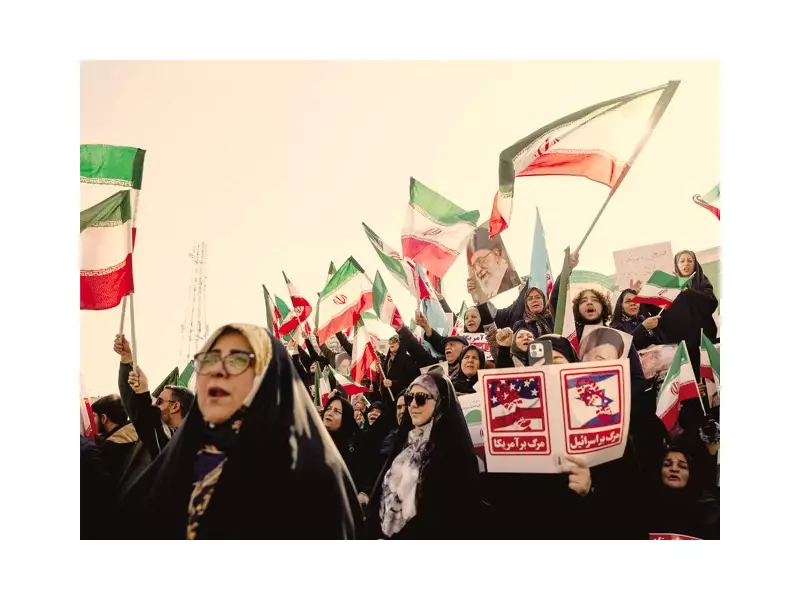
Internally, the government declared three days of national mourning and staged large pro-government rallies. State television broadcast images of normalcy, though videos circulating online showed continued anti-government chants in parts of Tehran.
Globally, pressure is mounting. The European Union is considering further sanctions over the crackdown, and the European Parliament barred Iranian diplomats from its premises. Iran has summoned several European envoys in protest of their support for the demonstrators.