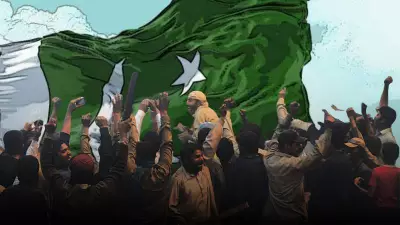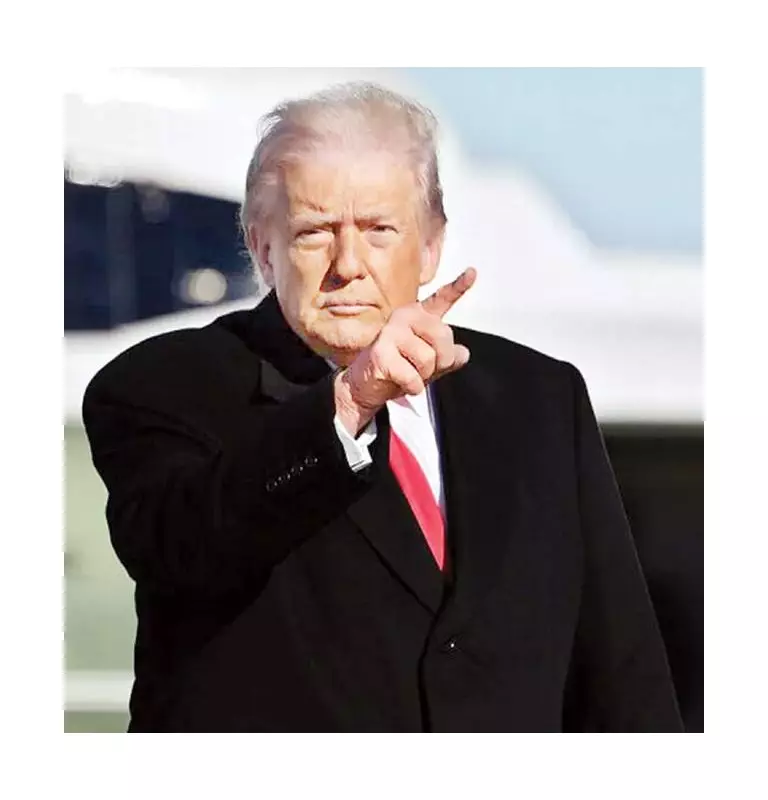
In a sharp reversal of his recent diplomatic overtures, US President Donald Trump has called off all planned meetings with Iranian officials and publicly encouraged ongoing anti-government protests within the country. This comes as the death toll from the nationwide unrest, which began over two weeks ago, has shockingly surpassed 2,000, according to activist reports.
Trump's Provocative Support and Diplomatic U-Turn
On Tuesday, President Trump took to his Truth Social platform to directly address Iranian citizens. He urged "Iranian Patriots" to "keep protesting" and to "take over your institutions," promising that "help is on its way." He did not specify the nature of this help.
More concretely, Trump announced he had "cancelled all meetings with Iranian Officials until the senseless killing of protesters" stops. This marked a dramatic shift from his statement just two days prior, on Sunday, where he indicated he was open to talks with the regime after receiving communications. He ended his Tuesday post with the acronym "MIGA," echoing his famous campaign slogan.

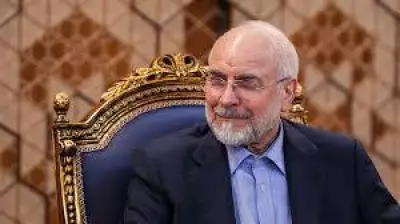
Iranian officials responded swiftly. Top security official Ali Larijani retorted by listing what he called the main killers of the Iranian people, naming Trump first and Israeli Prime Minister Benjamin Netanyahu second.
A Deepening Crisis: Death Toll and Communications Blackout
The scale of the crisis became clearer on the same day. The U.S.-based Human Rights Activists News Agency reported that the death toll had climbed to at least 2,003 people. This figure dwarfs the casualties from previous waves of protest in Iran, including the 2022 demonstrations following the death of Mahsa Amini.
An activist with the group, Skylar Thompson, told The Associated Press the new toll was "shocking" and warned it was likely conservative and would still rise. For the first time in days, some Iranians were able to make phone calls abroad after authorities had severed most communications in an attempt to stifle the protests.
Iranian state television later offered a vague acknowledgment of the high casualties, quoting an official who said the country had "a lot of martyrs" and delayed releasing numbers due to the gruesome nature of the injuries.
More than 16,700 people have been detained during the crackdown, according to activist groups. Witnesses in Tehran described a heavy security presence, with anti-riot police and members of the Basij militia patrolling streets. They reported burned government buildings, smashed ATMs, and shops operating under pressure from security forces to reopen.
International Reactions and Regional Tensions
The situation has drawn sharp international reactions. Russia's foreign ministry strongly criticized the United States. Spokeswoman Maria Zakharova said US threats of military strikes against Iran were "categorically unacceptable" and warned against using the unrest as a "pretext" for action, which she said would have "disastrous consequences."
She also rejected Trump's threat of tariffs on Iran's trading partners as "blackmail."
Inside Iran, Supreme Leader Ayatollah Ali Khamenei praised tens of thousands who attended pro-government rallies on Monday, calling it a "warning to American politicians." Meanwhile, the attorney general has warned that protesters could face the death penalty charge of being an "enemy of God."
As the internet remains largely shut down, people in Iran expressed mixed feelings. A shopkeeper named Mahmoud told AP that customers wonder if Trump plans a military strike, but he doubted foreign powers cared about Iranian interests. A taxi driver named Reza said that despite hopelessness, many young people talk about continuing the protests.