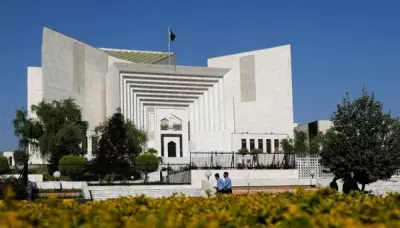
In a significant diplomatic development, Sudan's military leadership and the Transitional Sovereignty Council have convened for critical discussions regarding a United States-proposed truce agreement aimed at ending the devastating conflict that has gripped the nation.
High-Stakes Negotiations Underway
The closed-door meetings represent one of the most substantial diplomatic efforts in recent months, with international mediators pushing for a breakthrough in the prolonged crisis. Sources close to the negotiations indicate that both parties are approaching the talks with cautious optimism, though significant hurdles remain.
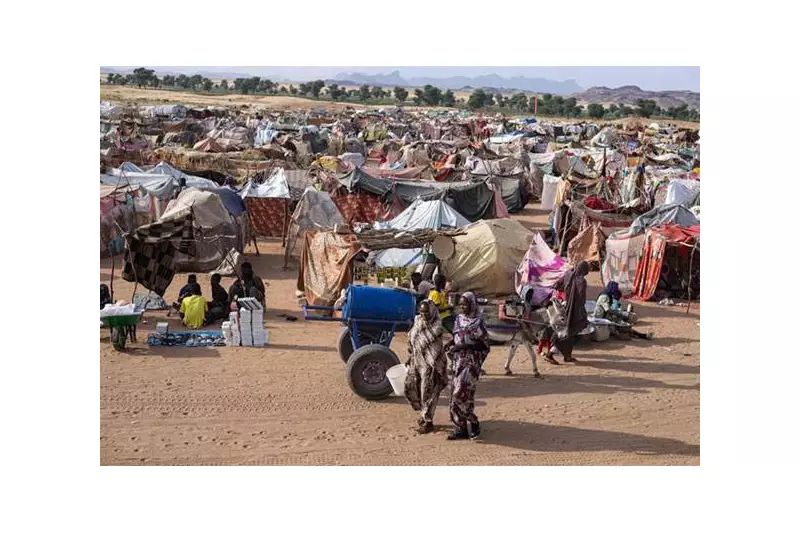
The US-brokered proposal comes at a critical juncture in the conflict, which has displaced millions and created one of the world's most severe humanitarian emergencies. Diplomatic insiders suggest the current initiative includes comprehensive provisions for humanitarian access and confidence-building measures between the warring factions.

International Pressure Mounts
Regional and global powers have intensified their calls for an immediate cessation of hostilities, warning that continued fighting threatens to destabilize the entire region. The United States has taken a leading role in the mediation efforts, with senior officials shuttling between the parties to bridge remaining differences.
"This represents the most serious attempt at peacemaking we've seen in months," a diplomatic source revealed. "Both sides recognize the unsustainable nature of the current military stalemate and the catastrophic humanitarian costs."
Key Sticking Points
- Security arrangements and troop redeployment
- Power-sharing mechanisms during transition period
- International monitoring and verification mechanisms
- Reconstruction and recovery planning
The outcome of these negotiations could determine whether Sudan moves toward a sustainable peace or faces further escalation of the conflict that has already claimed thousands of lives and pushed the country to the brink of economic collapse.
Regional Implications
Neighboring countries are closely monitoring the talks, as stability in Sudan directly affects regional security dynamics and economic cooperation. The success or failure of these negotiations will have far-reaching consequences beyond Sudan's borders, potentially reshaping geopolitical alliances in the Horn of Africa.
As the discussions continue behind closed doors, the international community holds its breath, hoping that this diplomatic initiative might finally bring relief to the long-suffering Sudanese people and chart a course toward lasting peace and stability.