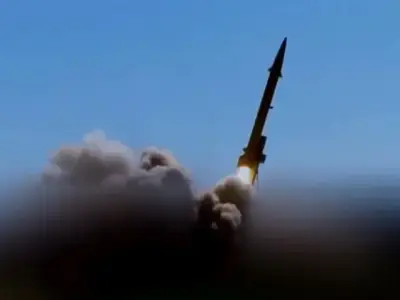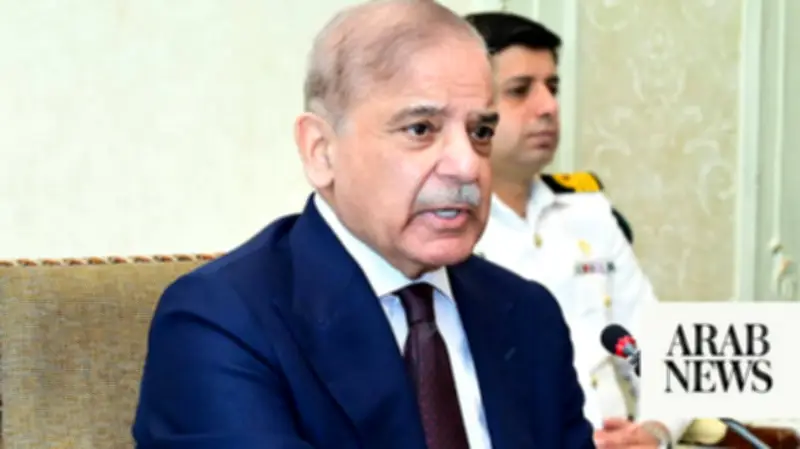
Prime Minister Shehbaz Sharif has engaged in discussions with regional leaders regarding Pakistan's diplomatic initiatives to foster peace between the United States and Iran, as both nations continue to exchange air strikes. The development comes amid heightened tensions following Iran's Revolutionary Guards targeting a US air base in retaliation for US strikes on an Iranian drone operation near the Strait of Hormuz.
Escalation in Hostilities
The recent escalation threatens the fragile ceasefire established in early April between the US and Iran, which had raised hopes for a comprehensive peace deal. The renewed hostilities have caused oil prices to surge once again, impacting global markets.
Prime Minister's Conversations
In a telephonic conversation with the Iranian president, Prime Minister Sharif expressed solidarity with Iran's leadership and people, expressing optimism that a peace agreement could be finalized soon. He stated that such a deal would unlock Iran's economic potential and benefit the entire region. The Prime Minister emphasized that Pakistan, as a brotherly and neighboring country, would always stand by Iran and highlighted the promising future for both nations once regional peace is restored.

Pakistan has played a key mediatory role since the conflict began in late February, maintaining close coordination with both Tehran and Washington. The Iranian president expressed profound gratitude to Prime Minister Sharif and Army Chief Field Marshal Syed Asim Munir for Pakistan's significant contributions to regional peace efforts. He also acknowledged the involvement of other regional countries, including Saudi Arabia, Qatar, and Turkiye, in these initiatives.
Dialogue with Kuwait and Malaysia
On the occasion of Eid Al-Adha, Prime Minister Sharif spoke with the Crown Prince of Kuwait, Sheikh Sabah Al Khaled Al Hamad Al Mubarak Al Sabah. He reiterated Pakistan's solidarity with Kuwait regarding the loss of lives and property resulting from attacks during the current conflict. Both leaders emphasized the importance of dialogue, diplomacy, and collective efforts for lasting peace and stability. Kuwait, which hosts a major US military base, has been responding to missile and drone attacks without specifying their origin.
Additionally, Prime Minister Sharif briefed Malaysian Prime Minister Dr. Anwar Ibrahim on Pakistan's efforts to resolve the crisis. The Malaysian Prime Minister deeply appreciated these efforts and conveyed his best wishes to Field Marshal Munir, who recently visited Tehran and has become a pivotal figure in Pakistan's diplomatic push to end the conflict.
Background and Impact
The war, which began on February 28 with US and Israeli strikes, has resulted in thousands of casualties and a sharp increase in global energy prices. President Donald Trump has repeatedly stated that a deal is imminent. However, at a recent cabinet meeting, he dismissed an Iranian state TV report suggesting an unofficial draft agreement to restore commercial shipping through the Strait of Hormuz within a month, with joint management by Iran and Oman. Trump asserted that no single country would control the waterway and issued a veiled threat to Oman, stating that it would comply with international norms or face consequences.
The Iranian report also claimed that the United States would lift its blockade of Iranian ports and withdraw military forces from the vicinity of Iran. The White House and Oman's embassy in Washington have not yet responded to requests for comment.