Pakistan's Diplomatic Leadership Shines in US-Iran Mediation
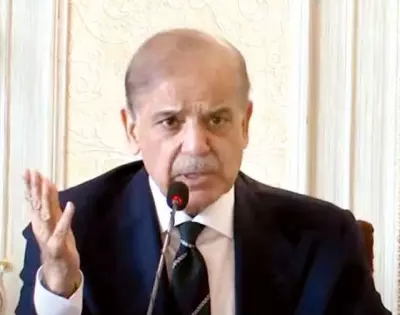
The selection of Islamabad by American and Iranian delegations for critical talks, bypassing traditional hubs like Geneva or Brussels, underscores the significant credibility and strategic vision cultivated by Pakistan's leadership. This decision is no coincidence; it results directly from the unwavering commitment and strategic acumen of Prime Minister Shehbaz Sharif and Field Marshal Asim Munir, who have prioritized regional peace and stability.
Strategic Positioning Amid Global Energy Crisis
Following the US-Israeli strikes on February 28, 2026, which ignited the Iran conflict, Pakistan has emerged as an essential bridge between two nuclear powers. The global energy market's volatility, particularly after the Strait of Hormuz became a flashpoint, has profoundly impacted Pakistani households, with fuel and energy availability issues reflecting a broader international emergency.
The International Energy Agency (IEA), in its March 2026 assessment, labeled this the largest oil supply disruption in history. As a nation heavily reliant on imports through this critical waterway, Pakistan faces genuine vulnerabilities. However, under PM Shehbaz Sharif's government, these challenges have been transformed into strategic opportunities.

Energy market data from Q1 2026 reveals that Qatar and the UAE supply 99 percent of Pakistan's LNG imports, making energy security a top national priority. Through patient diplomacy, Pakistan has repositioned itself from a mere consumer to a guarantor of stability, ensuring energy flows and mitigating crises.
Diplomatic Milestones and International Recognition
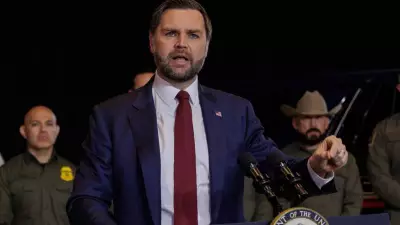
The Islamabad Talks from April 11 to 12, 2026, marked a historic moment, with Vice President JD Vance leading a 300-member US delegation and Iran's Parliament Speaker Mohammad Bagher Ghalibaf heading a 70-member team. Held at the Serena Hotel, these 21-hour negotiations featured direct engagement between principals for the first time since the 1979 Iranian Revolution.
Although no comprehensive agreement was reached, the talks were far from a failure. Iranian officials, including Foreign Minister Abbas Araghchi, noted being "inches away" from a memorandum of understanding, highlighting progress. Iran's ambassador to Pakistan, Reza Amiri Moghadam, later affirmed that Tehran would only consider Pakistan as a venue for future talks with Washington, validating Pakistan's role as a trusted broker.
International recognition has been notable, with former US President Donald Trump praising Field Marshal Asim Munir in an April 2026 social media post as an "extraordinary man doing a great job." This acknowledgment reflects the credibility Munir commands, bridging military and diplomatic spheres with strategic insight.
Coordinated Efforts and Regional Diplomacy
Field Marshal Asim Munir's three-day visit to Tehran from April 16 to 18, 2026, involved high-level meetings with Iranian leaders, including the President and military command, fostering mutual respect and dialogue. Simultaneously, PM Shehbaz Sharif embarked on a regional tour from April 14 to 19, visiting Saudi Arabia, Qatar, and Turkey to build consensus for peace.
In Saudi Arabia, discussions with Crown Prince Mohammed Bin Salman focused on de-escalation, while in Qatar, talks addressed the energy crisis. The Antalya engagement in Turkey emphasized shared responsibility for Gulf stability. This coordinated approach demonstrated sophisticated leadership, balancing technical discussions with regional outreach.
Ceasefire and National Interest
The ceasefire announced on April 8, 2026, following Pakistan's Five Point Peace Initiative, prevented wider conflict and showcased Pakistan's mediation success. This holding of the line, despite technical challenges, underscores the government's commitment to stability.
Pakistan's efforts align with enlightened self-interest; every day the Strait of Hormuz remains open benefits the economy, reducing costs for families. Economic reports from April 2026 confirm that energy price volatility directly affects consumer expenses, making diplomatic success crucial for national welfare.

Broader Strategic Implications
By serving as a trusted intermediary, Pakistan has enhanced its global standing, opening doors for future energy partnerships and security cooperation. This diplomatic triumph transforms vulnerability into influence, positioning Pakistan as a key player in resolving international crises.
Under the leadership of PM Shehbaz Sharif and Field Marshal Asim Munir, Pakistan has leveraged its geographic and diplomatic assets to foster respect and goodwill. This moment in history, written in Islamabad, will be studied for generations, highlighting a nation committed to constructive global engagement.