Pakistan has initiated crucial diplomatic consultations with key regional partners, Turkey and Iran, to forge a coordinated strategy addressing the dire humanitarian and political crisis in Gaza. The move underscores Islamabad's active role in seeking a collective Muslim world response to the ongoing conflict.
High-Level Diplomatic Outreach
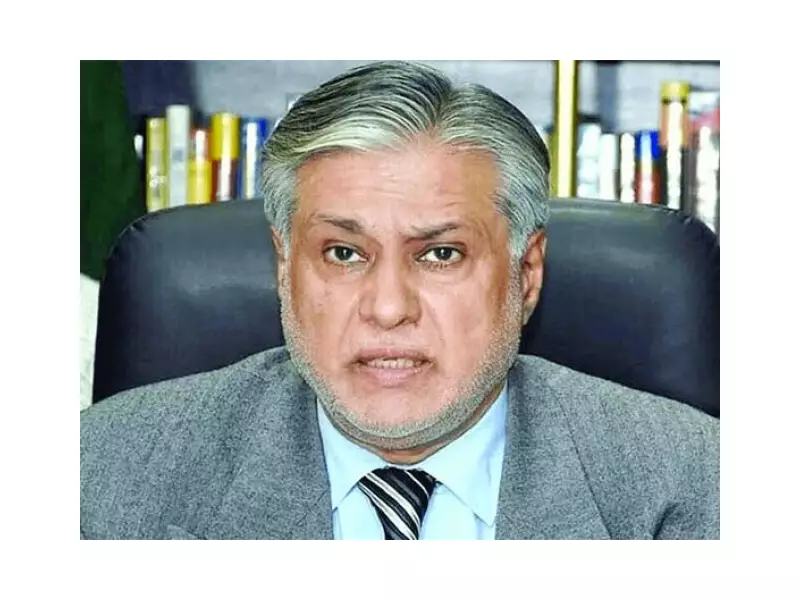
Foreign Minister Senator Ishaq Dar is spearheading the diplomatic effort. According to official sources, Dar held a significant telephonic conversation with his Turkish counterpart, Hakan Fidan. The discussion focused extensively on the alarming situation in Gaza and explored avenues for bilateral and multilateral cooperation to provide immediate relief and work towards a lasting solution.
The consultation with Turkey is seen as a pivotal step, given Ankara's influential position in the region and its vocal stance on the Palestinian issue. Following the talk with the Turkish foreign minister, Pakistan also engaged with Iranian officials. This dual outreach highlights Pakistan's aim to build consensus among major regional stakeholders before potentially presenting a unified stance at international forums.

Context of the Consultations
These diplomatic exchanges are not occurring in a vacuum. They come at a time of escalating violence and a catastrophic humanitarian situation in the coastal enclave. The Pakistani government, reflecting strong public sentiment at home, has been consistently calling for an immediate ceasefire, the provision of urgent humanitarian aid, and a just resolution based on the establishment of an independent Palestinian state with pre-1967 borders and East Jerusalem as its capital.
The consultations with Turkey and Iran are intended to harmonize these positions and develop a concrete, actionable plan. The goal is to move beyond statements and formulate a practical framework that can alleviate Palestinian suffering and revive the peace process. Pakistan believes that a fragmented response from the Muslim world diminishes its effectiveness on the global stage.
Strategic Implications and Next Steps
By involving both Turkey and Iran, Pakistan is navigating complex regional dynamics to find common ground on the Palestinian issue. A coordinated plan from these three nations could carry significant weight in organizations like the Organization of Islamic Cooperation (OIC) and the United Nations.
The outcomes of these talks are expected to shape Pakistan's diplomatic initiatives in the coming weeks. It is anticipated that the discussions will lead to high-level meetings, possibly involving senior officials or ministers from the three countries, to finalize the details of the proposed Gaza plan. The plan itself is likely to encompass several key demands:
- An immediate and unconditional ceasefire.
- Unimpeded flow of international humanitarian aid into Gaza.
- Strong opposition to any forced displacement of Palestinians.
- A renewed push for a two-state solution as the only viable path to lasting peace.
Pakistan's proactive diplomacy demonstrates its commitment to the Palestinian cause as a cornerstone of its foreign policy. The success of this effort to build a united front with Turkey and Iran will be closely watched, as it could significantly influence the international community's approach to one of the world's most protracted and devastating conflicts.