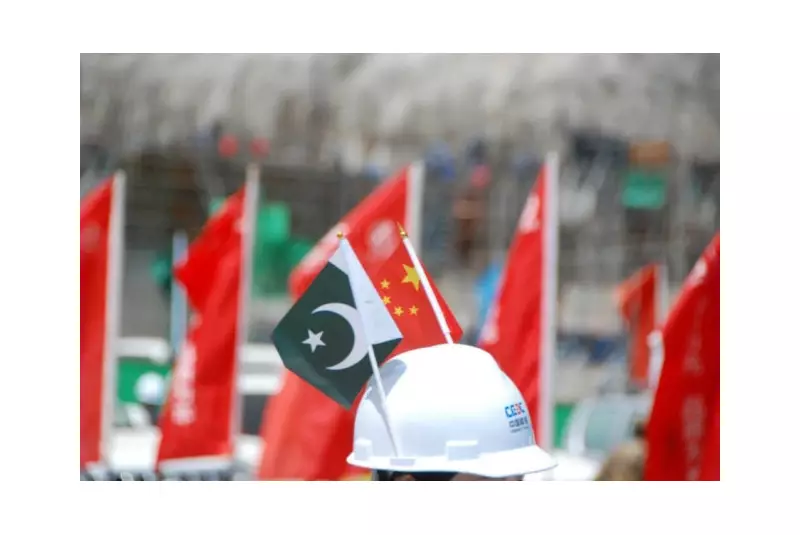
In a significant diplomatic move, Pakistan and China have presented a united front, urging Afghanistan's interim Taliban government to take concrete and verifiable action against terrorist groups operating from its soil. The call specifically targets organizations like the Tehreek-e-Taliban Pakistan (TTP) and the East Turkestan Islamic Movement (ETIM), which pose a direct threat to the security of both neighboring nations.
A Unified Diplomatic Front
The joint demand was a central outcome of the recent fifth round of the Pakistan-China Foreign Ministers' Strategic Dialogue, held in Beijing. The Pakistani delegation was led by Foreign Minister Ishaq Dar, while China was represented by its Foreign Minister, Wang Yi. The high-level talks underscored the shared concerns of both countries regarding the persistent threat of terrorism emanating from Afghanistan.
The discussions emphasized the urgent need for the Afghan interim government to prevent its territory from being used as a launchpad for attacks against any country. This point is particularly critical for Pakistan, which has seen a sharp rise in terrorist incidents, many of which have been claimed by or linked to the TTP based across the border in Afghanistan.

The Core Demand: Verifiable Action
Moving beyond general statements, the dialogue focused on the necessity of verifiable measures. This terminology indicates a demand for transparent and accountable steps that can be observed and confirmed by the international community, rather than mere assurances. The presence of groups like ETIM, which China alleges is involved in activities targeting its Xinjiang region, makes this a top-tier security priority for Beijing as well.
The foreign ministers of both nations agreed to enhance their cooperation in maintaining regional peace and stability. They also discussed further strengthening the already robust bilateral partnership across multiple sectors, including the flagship China-Pakistan Economic Corridor (CPEC) projects. However, the shadow of cross-border terrorism was clearly identified as a major challenge to shared development goals.
Implications for Regional Security
This joint stance places considerable diplomatic pressure on the Taliban administration in Kabul. Pakistan has repeatedly engaged with Afghan authorities on this issue, with little tangible success in curbing TTP's activities. By aligning its position firmly with China, a major global power with significant influence, Pakistan aims to amplify its message and seek more decisive outcomes.
The outcome of this strategic dialogue signals that counter-terrorism will remain a pivotal element of the Pakistan-China alliance. Both countries are making it clear that their economic and strategic ambitions under CPEC cannot be fully realized without a secure and stable regional environment, free from the menace of terrorist safe havens.
The world will now be watching to see how the Afghan interim government responds to this direct and powerful call from two of its most important neighbors. The demand for verifiable action sets a clear benchmark for the Taliban's commitment to international obligations and regional harmony.