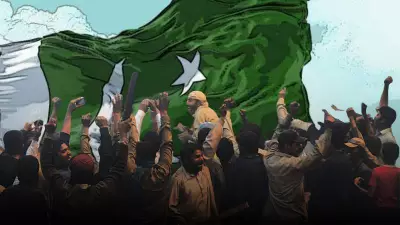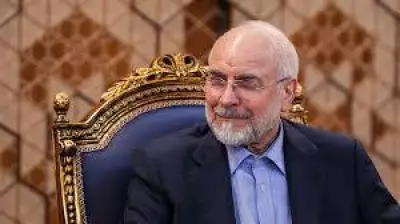
Israeli intelligence officials have delivered a sobering assessment regarding the ongoing wave of protests in Iran, concluding there is only a minimal likelihood that the demonstrations will topple the current regime. This evaluation, reported by Israel's Channel 12, suggests the Islamic Republic's security apparatus remains firmly in control for now.
Security Forces Hold Firm Against Unrest
The assessments presented to Israeli leaders indicate that Iran's Revolutionary Guard and its paramilitary Basij force have managed to suppress the protests with relative effectiveness. There are no visible signs of wavering loyalty within the security forces, which form the bedrock of the regime's power. This resilience from the state's coercive arms is a primary factor behind the intelligence conclusion that the regime's position is not imminently threatened by the current civil unrest.
A Strategic Shift Back to Diplomacy?
Beyond the domestic situation, Israeli intelligence analysts posit a potential foreign policy maneuver from Tehran. They suggest that Iran could seek to renew nuclear negotiations with the United States. The rationale, according to the assessments, is that engaging in talks—regardless of their eventual outcome—serves the regime's interests at this juncture. Diplomacy could provide a distraction from internal pressures and potentially offer economic relief through sanctions easing.

Implications and Regional Outlook
This intelligence view carries significant weight for regional dynamics, including for Pakistan which maintains diplomatic ties with Iran. The assessment implies that regional players, including Israel, are preparing for a continuation of the current Iranian government rather than its sudden collapse. The possibility of revived nuclear talks also signals a potential shift in US-Iran relations, a development that would be closely monitored across the Middle East and South Asia for its impact on regional security and diplomacy.
The report underscores a complex reality: while public dissent in Iran persists, the mechanisms of state control remain robust. The path forward likely involves continued internal repression and potential external diplomatic engagement, as the regime seeks to stabilize its position both at home and abroad.