The Israeli military has issued a stark warning to international organizations operating in the Gaza Strip, threatening to suspend their activities over alleged failures in security coordination. This move, which could severely impact the flow of humanitarian aid, was communicated by Israel's Coordinator of Government Activities in the Territories (COGAT).
Direct Warning from Israeli Authorities
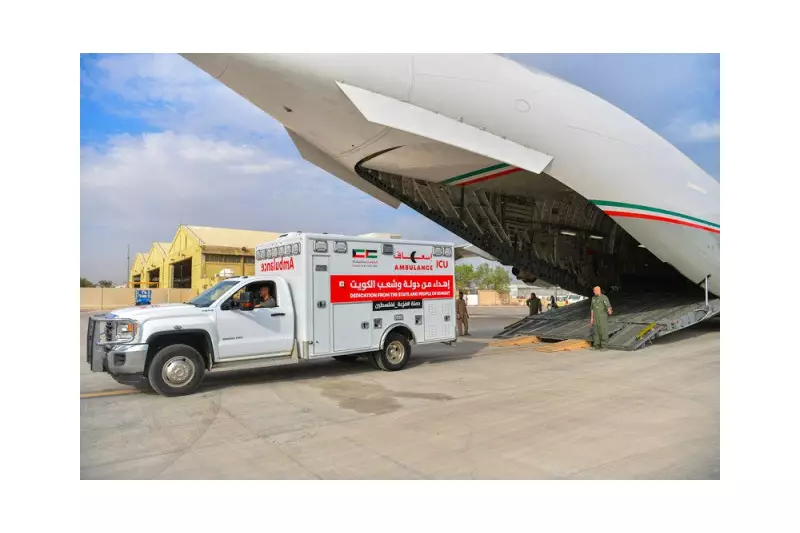
In a significant escalation, the Israeli military body responsible for Palestinian civilian affairs, COGAT, has directly warned aid groups. The warning states that if these organizations do not improve their coordination with Israeli authorities regarding the movement of their staff and supplies within Gaza, their operational permits will be revoked. This threat places a major burden on groups like the United Nations Relief and Works Agency (UNRWA) and other non-governmental organizations (NGOs) who are struggling to deliver essential food, water, and medicine to Gaza's besieged population.
The core of Israel's accusation is that these aid groups have not been properly sharing detailed information about the movements of their personnel and convoys. The Israeli military argues this coordination is vital for the safety of the aid workers themselves, as it allows the Israel Defense Forces (IDF) to avoid mistakenly targeting them in active combat zones. However, aid agencies often counter that such processes are overly bureaucratic and slow, critically delaying life-saving assistance in a fast-moving conflict where needs change by the hour.

Potential Impact on an Already Dire Humanitarian Situation
This threat comes at a time when the humanitarian situation in the Gaza Strip is described by the United Nations as catastrophic. Over two million people are facing extreme shortages of basic necessities. A suspension of major aid organizations' operations would plunge the territory into an even deeper crisis, potentially leading to widespread famine and disease outbreaks. The warning specifically targets the logistical and operational frameworks that allow these groups to function, meaning even organizations with supplies at the border could be prevented from distributing them inside Gaza.
The United Nations and several major international aid donors have expressed deep concern over the Israeli warning. They argue that impeding humanitarian work violates international law and the principles of humanitarian access. Many view the move as a form of political pressure, aimed at controlling the narrative and flow of aid into the territory amidst ongoing military operations and mounting international criticism of the war's civilian toll.
A Complicated History of Coordination and Access
The relationship between Israeli authorities and humanitarian groups in Gaza has long been fraught with tension. Even before the current conflict, organizations complained of restrictive permit regimes, delays at checkpoints, and the frequent denial of entry for so-called "dual-use" items—civilian goods like certain chemicals or communication equipment that Israel argues could be repurposed by militant groups. The current warning formalizes and escalates these existing friction points into an explicit ultimatum.
For the people of Gaza, this development signals more uncertainty and suffering. Local families, already displaced multiple times and reliant on aid for daily survival, fear that the little assistance they receive could be cut off entirely. The international community is now faced with the urgent task of diplomatic intervention to ensure that humanitarian imperatives are not held hostage to procedural disputes, and that civilian lives remain the paramount concern.
The coming days will be critical. Aid organizations are now forced to reassess their operations under the shadow of this suspension threat, while diplomats engage in behind-the-scenes efforts to find a compromise. The outcome will directly determine whether the already insufficient trickle of aid into Gaza continues or stops altogether, with fatal consequences for the civilian population.