Pezeshkian's Visit Follows Historic Islamabad MoU
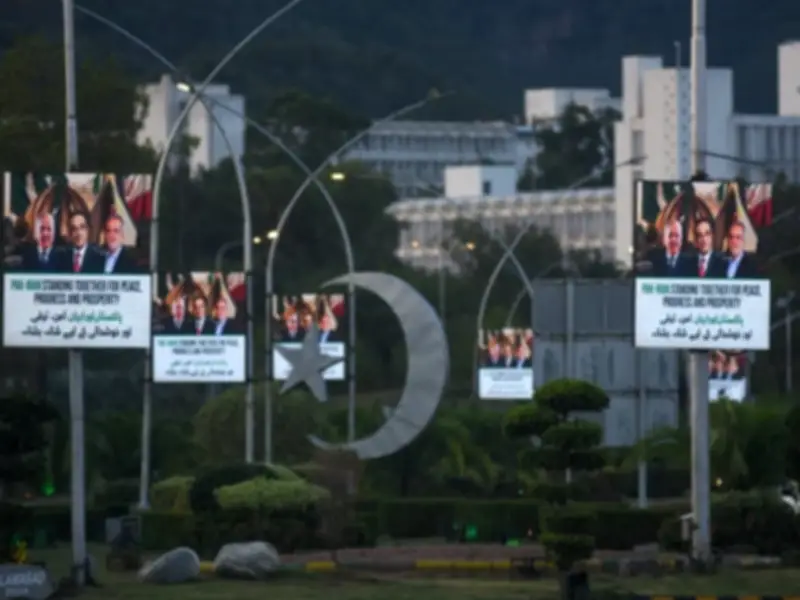
Iranian President Masoud Pezeshkian arrived in Pakistan on Tuesday for an official visit, marking a key diplomatic engagement after the recent Iran-US conflict and Pakistan's role in mediating the Islamabad Memorandum of Understanding (MoU). The visit comes days after Iran and the United States signed the MoU, a framework agreement aimed at ending months of hostilities and establishing a path toward a comprehensive settlement. Pakistan played a central mediating role in the talks that led to the agreement.
High-Level Talks on Bilateral and Regional Issues
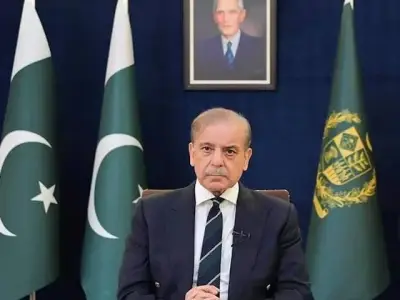
During the one-day trip, President Pezeshkian is expected to hold talks with President Asif Ali Zardari and Prime Minister Shehbaz Sharif, who chaired the quadrilateral talks involving the US, Iran, Pakistan, and Qatar in the Swiss lake city of Burgenstock on Sunday. According to the Foreign Office, the two sides will review the entire spectrum of bilateral relations and explore ways to deepen cooperation in trade, energy, border security, people-to-people exchanges, and regional connectivity.
Appreciation for Pakistan's Mediation Role
Diplomatic sources said President Pezeshkian will personally convey Tehran's appreciation for Pakistan's diplomatic support during the conflict and its efforts to facilitate dialogue between Iran and the US. He is accompanied by a high-level delegation comprising ministers and senior officials. This is Pezeshkian's second visit to Pakistan since assuming office; his first state visit was in August last year.

Islamabad MoU: A Framework for Peace
The visit underscores the growing importance of Pakistan-Iran engagement at a time of major geopolitical shifts in the region. On June 18, PM Shehbaz signed the Islamabad MoU as a mediator, formalizing a major diplomatic breakthrough between the US and Iran. The first round of four-party talks involving Iran and the US, with mediation by Qatar and Pakistan, concluded in Switzerland, marking the first formal follow-up engagement since the signing of the agreement.
Regional Conflict and Humanitarian Impact
The US and Israel launched a war on Iran on February 28, assassinating Supreme Leader Ayatollah Ali Khamenei and military leaders on the first day. The conflict quickly spiraled into a regional war that has killed more than 7,000 people, mostly in Iran and Lebanon, driven up energy prices, renewed inflationary pressures, and sparked concerns about a major food supply crisis in developing countries. Israel, left out of the peace talks, has distanced itself from the US-Iran accord and continued fighting against Hezbollah in Lebanon, raising questions about the agreement's durability.
Future Cooperation and Implementation
The visit will also provide an opportunity to discuss the implementation of understandings reached under the Islamabad MoU as well as broader regional and international developments. The two neighbors have in recent years sought to strengthen economic ties, enhance border cooperation, and increase bilateral trade. According to a statement from the Foreign Office, "The forthcoming visit reflects the shared commitment of Pakistan and Iran to further deepen their historic and cultural ties and underscores their common aspiration for peace, stability, and sustainable progress in the region."