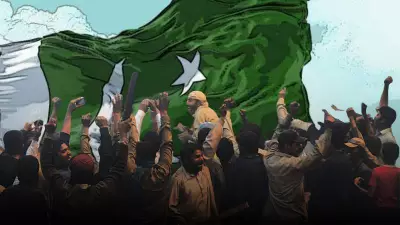
Iran has issued a stark warning of retaliation against United States military bases and Israel if Washington intervenes militarily, as the country grapples with its most severe internal unrest in years. The warning comes alongside reports from a human rights group stating that more than 500 people have been killed during the widespread protests that erupted in late December.
Deadly Unrest and International Reactions
The protests, which began on December 28 over economic grievances like soaring prices and a collapsing currency, have transformed into a broader movement challenging Iran's clerical establishment. According to the US-based Human Rights Activists News Agency (HRANA), at least 490 protesters and 48 security force members have lost their lives, with more than 10,600 arrests made. Iranian authorities have not released official casualty figures.
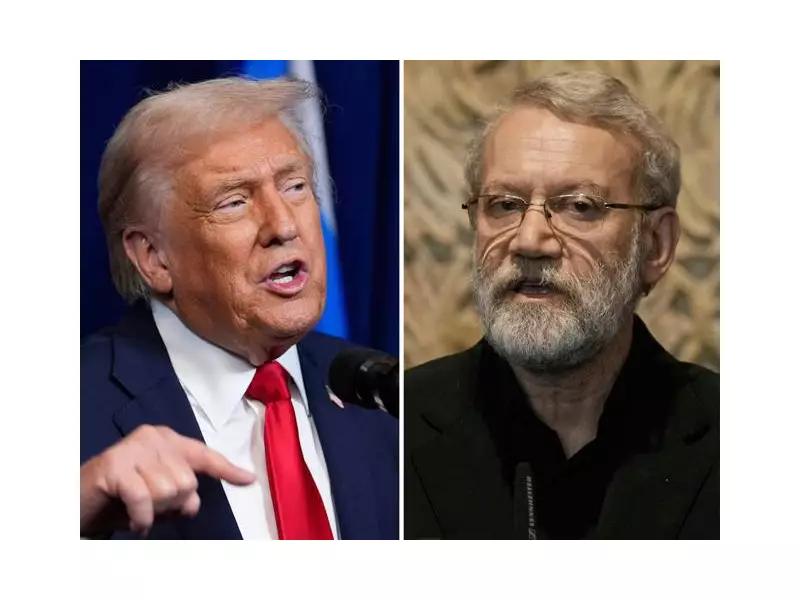
In response, US President Donald Trump has repeatedly threatened intervention and is scheduled to be briefed this week on new options regarding Tehran, which reportedly range from military action to expanded sanctions. Trump took to social media to voice support, writing, "Iran is looking at FREEDOM, perhaps like never before. The USA stands ready to help!!!"

Iran's Accusations and Internal Crackdown
Iranian leadership has squarely blamed foreign powers for the chaos. President Masoud Pezeshkian accused the United States and Israel of ordering the riots, claiming enemies had brought in terrorists to attack mosques and public property. In a televised plea, he urged families to prevent their children from joining what he called rioters and terrorists.
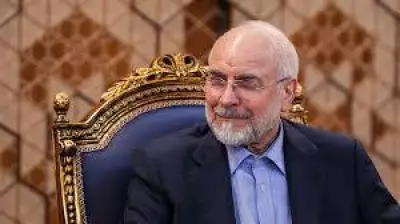
Parliament Speaker Mohammad Baqer Qalibaf, a former Revolutionary Guards commander, delivered the explicit threat of retaliation. "Let us be clear: in the case of an attack on Iran, the occupied territories (Israel) as well as all U.S. bases and ships will be our legitimate target," he stated.
The government has imposed a nationwide internet blackout since last Thursday, severely restricting information flow. State television has broadcast images of body bags, attributing the deaths to "armed terrorists," and showed funeral processions for slain security personnel in cities like Gachsaran and Yasuj.
Regional Tensions and Opposition Voices
The escalating situation has put the region on edge. Israel has reportedly moved to a high-alert status, with a military official stating they are monitoring events closely and are ready to respond "with power if need be." This follows a 12-day war between Iran and Israel last June.
From abroad, opposition figures are seeking to galvanize the protest movement. Reza Pahlavi, the US-based son of Iran's last Shah, has emerged as a prominent voice, urging Iranians on social media platform X not to abandon the streets. Similarly, Maryam Rajavi, head of the Paris-based National Council of Resistance of Iran, claimed protesters had reshaped the country's political landscape.
However, analysts remain cautious about a near-term overthrow of the regime. A former US diplomat noted that while the establishment may eventually suppress these protests, it would likely emerge significantly weaker. The coming days will be critical in determining whether this wave of protests marks a genuine turning point or another chapter in the Islamic Republic's history of surviving internal dissent through force.