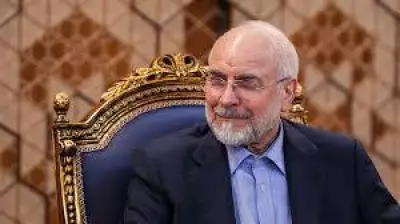
In a stark warning laden with historical reference, Iran has cautioned former United States President Donald Trump against repeating what it termed a "June mistake," while simultaneously declaring its openness to diplomatic engagement. The message was delivered by Iran's Ambassador and Permanent Representative to the United Nations, Amir Saeid Iravani.
A Warning Rooted in Recent History
The cryptic yet pointed reference to a "June mistake" is widely interpreted as an allusion to the tense period in June 2019. During that time, the Trump administration came perilously close to authorizing a military strike against Iran in retaliation for the downing of an American surveillance drone. At the eleventh hour, the operation was reportedly called off. Iran's invocation of this episode serves as a powerful reminder of the high-stakes brinkmanship that has previously characterized relations between the two nations.
Ambassador Iravani's statement underscores a firm stance from Tehran. It signals that any action perceived as a repeat of such aggressive posturing will be met with a serious and calculated response. The language implies that Iran has both the memory and the capability to confront renewed threats, drawing a clear red line for any future administration or political figure considering a hawkish approach.

Diplomatic Doors Remain Open, Says Tehran
Despite the stern warning, the Iranian envoy was careful to balance the rhetoric with an offer for dialogue. Iravani explicitly stated that Iran remains prepared for diplomacy and is ready to engage in constructive negotiations. This dual-track approach—combining a firm deterrent warning with a professed willingness to talk—is a classic feature of Iran's foreign policy strategy.
This position highlights Tehran's attempt to navigate a complex geopolitical landscape. It aims to project strength and resilience to its domestic audience and regional allies, while also keeping a channel open for potential de-escalation and dialogue with the West, particularly regarding its nuclear program and regional activities.
Regional Implications and the Path Forward
The timing and nature of this communication are significant. Directed at a former president who is actively campaigning for a return to office, the message is clearly designed to influence the current political discourse in the United States. It serves as a preemptive signal to any future Trump administration about the potential consequences of reverting to a "maximum pressure" campaign.
For the broader Middle East, including Pakistan, which maintains delicate relations with both nations, such exchanges contribute to an atmosphere of uncertainty. Escalating tensions between the US and Iran have direct repercussions on regional stability, affecting energy security, trade routes, and the intricate balance of power. Pakistan, with its vested interest in a peaceful neighborhood, closely monitors these developments, as instability can spill over and impact its own security and economic interests.
The core facts from the original report remain central: the warning was issued by Iran's UN envoy, it specifically addressed Donald Trump, it referenced a past incident in June, and it confirmed Iran's readiness for diplomacy. The unfolding situation presents a critical test for how future US policy, whether under a new or returning administration, will engage with one of the region's most pivotal actors.