Iran is set to hold talks with mediator Qatar on Wednesday to discuss the implementation of the Islamabad Memorandum of Understanding (MoU), with the release of Iran's frozen assets as a key topic. Iranian Foreign Ministry spokesperson Esmaeil Baghaei stated on Tuesday that no meeting with the US side is scheduled in Doha in the coming days, and steps to release Iran's frozen funds are already underway.
Qatar Confirms No Transfer of Frozen Funds Yet
Qatar's Foreign Ministry spokesperson confirmed on Tuesday that $6 billion of Iran's frozen funds in Qatar have not yet been transferred to Tehran. This statement comes amid ongoing uncertainty over broader US-Iran agreement prospects after US President Donald Trump claimed a meeting with Iran was set in Qatar, while Tehran insists no direct negotiations with Washington have been scheduled. Qatar has indicated that only technical discussions are expected this week.
US Envoys in Doha Amid Diplomatic Efforts
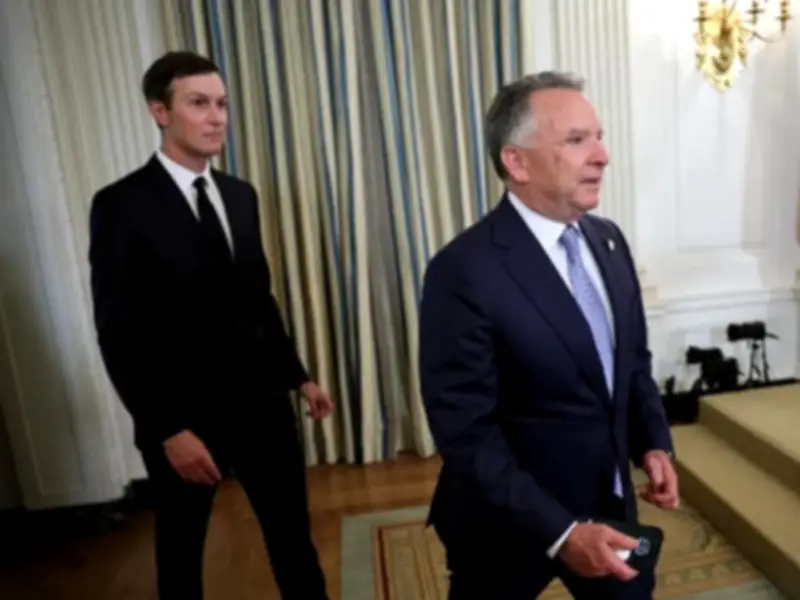
US envoy Steve Witkoff and President Trump's adviser and son-in-law Jared Kushner arrived in Doha amid renewed diplomatic efforts to implement the June 17 MoU, which aims to end months of conflict and pave the way for a permanent settlement. However, Qatar's Foreign Ministry spokesman Majed Al Ansari said no high-level US-Iran meeting is planned, with discussions expected to focus on technical issues that could later be elevated to senior officials.

Iran's Stance on Talks
Baghaei emphasized that Tehran will hold talks with mediator Qatar to discuss implementation of the interim agreement, including the release of Iranian assets frozen abroad. He stressed that "no meeting at any level with the American side has been scheduled for the coming days." The White House had previously announced that Witkoff and Kushner would hold "high-level meetings" in Doha, while Trump told reporters the meeting "is going to be perhaps important, perhaps not, we're going to find out."
Background of the Islamabad MoU
The Islamabad MoU gave Washington and Tehran 60 days to negotiate a permanent agreement following months of conflict that began with US and Israeli strikes on Iran on February 28. The war disrupted global energy supplies, exposed Gulf states to Iranian missile and drone attacks, and left thousands dead. Uncertainty over the diplomatic track persists despite easing oil prices after recent de-escalation.
Strait of Hormuz Tensions
A key issue remains the Strait of Hormuz, through which about one-fifth of global oil and liquefied natural gas trade passed before the conflict. Iran has tightened control over the strategic waterway alongside Oman, insisting that vessels use designated shipping corridors and warning that ships deviating from approved routes would increase regional tensions. Iran and Oman have begun discussions on implementing arrangements for the strait under the MoU.
De-mining Operations and Accusations
Iranian Deputy Foreign Minister Kazem Gharibabadi rejected suggestions that foreign countries could participate in de-mining operations in the Hormuz, insisting the task would be carried out only by Iran. The United States has accused Iran of attacking commercial shipping in recent days and responded with strikes on Iranian military facilities. Tehran retaliated by launching missiles and drones at US military sites in Kuwait and Bahrain, with both sides accusing each other of violating the ceasefire.
Broader Regional Implications
The interim US-Iran deal envisages ending hostilities between Israel and Iran-backed Hezbollah in Lebanon. However, Lebanese Parliament Speaker Nabih Berri questioned a separate US-brokered framework with Israel, while Hezbollah has opposed plans for its disarmament.