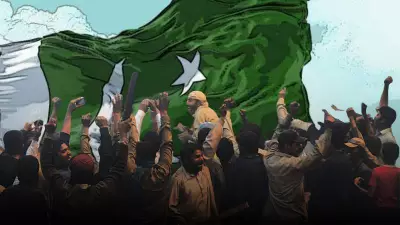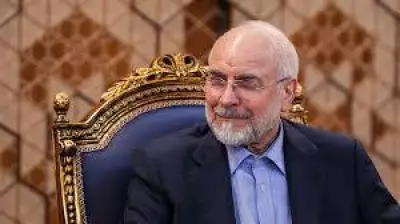
In a notable move that could signal a shift in the state's approach to public dissent, Iran's newly elected President Masoud Pezeshkian has directed his government to actively listen to and address the legitimate demands of protesters. This instruction comes against a backdrop of longstanding social and economic grievances within the Islamic Republic.
A Directive for Engagement, Not Confrontation
President Masoud Pezeshkian, who assumed office in August 2025, has formally tasked his administration with opening channels to understand the core issues driving public demonstrations. The directive emphasizes moving beyond a purely security-focused response to one that engages with the substantive concerns of citizens. This approach marks a potential departure from the harder-line stances often associated with previous administrations, suggesting a willingness to acknowledge public discontent as a political reality requiring a governance solution.
The call to heed legitimate demands is particularly significant. It implicitly recognizes that not all protest actions are illegitimate or foreign-instigated, a common official narrative in the past. By making this distinction, Pezeshkian's government appears to be attempting to create space for dialogue on specific issues, such as economic hardships, social freedoms, and governmental accountability, without endorsing broader systemic challenges.

Context of Widespread Discontent
This presidential order does not emerge in a vacuum. Iran has witnessed waves of protests in recent years, often sparked by specific incidents but fueled by deeper frustrations over living standards, political repression, and women's rights. The most recent major wave followed the death of Mahsa Amini in 2022, which ignited nationwide unrest. While the intensity of street protests has fluctuated, the underlying grievances remain largely unaddressed, creating a simmering potential for further unrest.
President Pezeshkian, a reformist-leaning candidate who won a runoff election against a hardliner, campaigned on promises of moderation, social liberalization, and constructive engagement with the world. This instruction to his cabinet is seen as an early attempt to fulfill part of that pledge by adopting a more conciliatory tone domestically. However, the ultimate power structure in Iran, where Supreme Leader Ayatollah Ali Khamenei holds final authority over all state matters, means the president's ability to implement sweeping changes is constrained.
Potential Implications and Challenges Ahead
The practical implications of this directive remain to be seen. Key questions surround how the government will define "legitimate" demands and what mechanisms will be established for this dialogue. Will it lead to tangible policy shifts, or is it primarily a rhetorical gesture aimed at calming public anger? The response from Iran's powerful security apparatus and judiciary, institutions not under the president's direct control, will be a critical factor in determining the outcome.
Furthermore, the move presents a double-edged sword. On one hand, it could help de-escalate tensions and integrate some public feedback into policy-making. On the other, it risks emboldening protest movements by validating their causes, potentially leading to increased pressure for faster and more radical reforms than the establishment is willing to grant. The president's challenge will be to navigate between demonstrating genuine responsiveness to the people and maintaining the support of the conservative pillars of the state.
For the international community and observers in neighboring countries like Pakistan, this development is being closely watched. A more engaged and responsive Iranian government could have implications for regional stability and diplomatic relations. However, analysts caution that meaningful change will be a slow process, fraught with political obstacles. The coming months will reveal whether President Pezeshkian's words translate into a new chapter of governance or remain a well-intentioned but unimplemented directive.