Record Traffic Through Strait of Hormuz
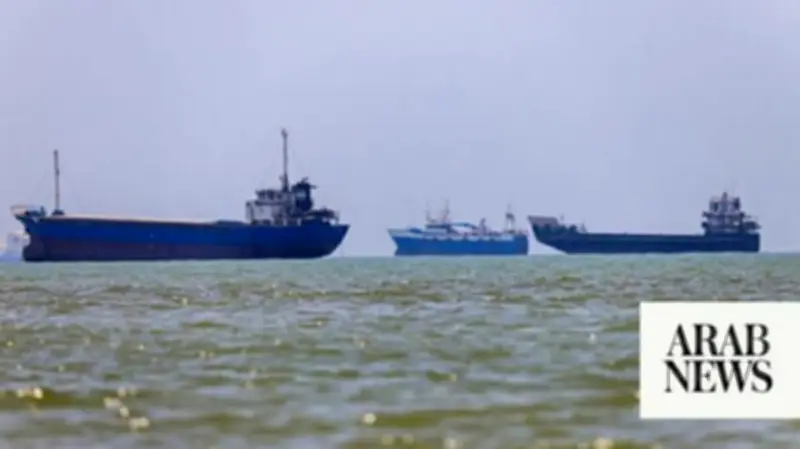
At least 35 commodity carriers transited the Strait of Hormuz on Monday, a record level since the start of the Middle East war in late February, according to data from the maritime tracking firm Kpler. The 35 passages represent nearly a third of normal peacetime traffic, which typically sees around 120 ships per day through the waterway that handles about a fifth of the world's oil and gas exports. The total count for Monday is expected to rise as more ships are detected by trackers.
India's Security Chief Welcomes Potential Reopening
Resumed shipping flows through the Strait of Hormuz would ease energy and fertilizer supply bottlenecks, India's National Security Adviser Ajit Doval said during a BRICS security meeting in New Delhi on Tuesday. The strait's status remains uncertain: it reopened last week after Iran and the United States reached an agreement, but Tehran announced on Saturday it had closed it again in response to Israeli attacks in Lebanon. Doval called the reopening a “highly welcome development” as security chiefs of the BRICS bloc met.
India is heavily reliant on imported energy, and its fuel supplies were severely affected during the US-Iran war. “It will help ease supply chain bottlenecks, and many of the shortages in fertilizers, chemicals, and other essential commodities may be alleviated,” Doval said.

Diplomatic Engagements on Sidelines
Doval on Monday met with Iranian official Ghadir Nezamipour, a senior member of Tehran’s Supreme National Security Council, as well as China’s Foreign Minister Wang Yi. Other BRICS representatives, including Russia, South Africa, and Brazil, are also in New Delhi for the security meeting.
US-India Trade Talks Progress
India’s Commerce Minister Piyush Goyal began a fresh round of meetings with visiting US Trade Representative Jamieson Greer in New Delhi. US ambassador to India Sergio Gor said in a social media post: “Ongoing discussions on finalizing the trade deal between the US and India.” Prime Minister Narendra Modi met with President Donald Trump last week on the sidelines of the G7 summit in France on June 17, where he said there had been “significant progress” in long-running talks for a trade deal. Trump told reporters in Evian that they were “very close.” Washington and New Delhi have set a target of boosting bilateral trade to $500 billion by 2030, holding multiple rounds of negotiations to resolve market access and tariff disputes.