In a significant move that could reshape Europe's security architecture, German Chancellor Olaf Scholz has called for the European Union to evolve into a fully-fledged European Defence Union. This bold proposal comes amid growing geopolitical uncertainties and shifting global power dynamics that demand a more integrated European approach to security.
The Vision for European Defence Integration
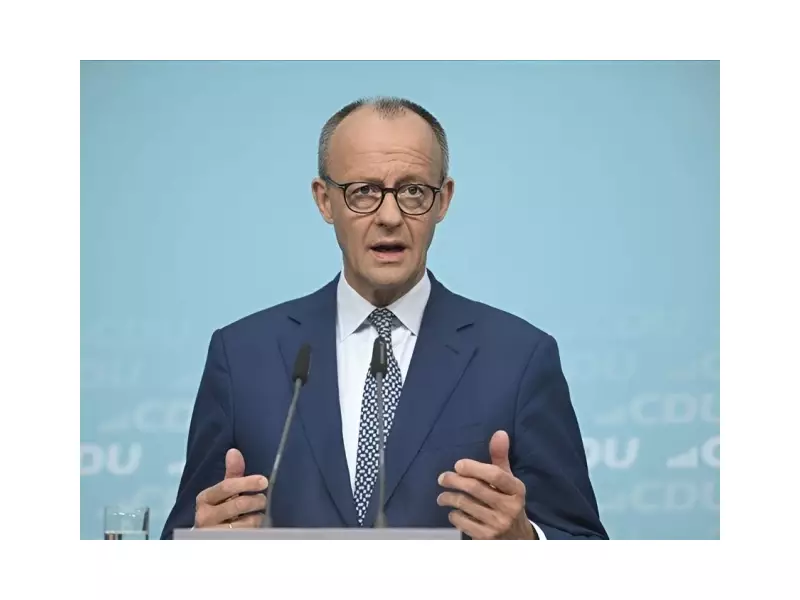
Chancellor Scholz articulated his vision during a recent high-profile address, emphasizing that Europe must take greater responsibility for its own security while maintaining strong transatlantic ties. The German leader stressed that the proposed Defence Union would not replace existing NATO structures but rather complement them, creating a more robust and self-reliant European security framework.
The Chancellor's proposal represents a notable shift in Germany's traditional approach to defence matters. Scholz specifically highlighted the need for enhanced military cooperation among EU member states, including joint procurement programs, standardized equipment, and streamlined command structures. This integrated approach aims to eliminate redundancies and maximize the effectiveness of European defence spending.

Practical Steps Toward Defence Integration
The German Chancellor outlined several concrete measures to advance toward this Defence Union. Key among these is the expansion of the European Peace Facility, which has already played a crucial role in supporting Ukraine militarily. Scholz proposed increasing its funding capacity significantly, demonstrating Germany's commitment to backing its vision with substantial financial resources.
Another critical component of the proposal involves accelerating the development of next-generation weapon systems through collaborative European projects. The Chancellor pointed to existing successful partnerships, such as the Future Combat Air System jointly developed by France, Germany, and Spain, as models for future cooperation. These multinational initiatives not only enhance military capabilities but also strengthen industrial and technological ties across the continent.
The timing of this initiative is particularly significant, coming as Europe faces multiple security challenges simultaneously. The ongoing conflict in Ukraine, instability in the Middle East, and increasing global competition have all contributed to a renewed sense of urgency about European defence capabilities. Scholz's proposal reflects a growing consensus among European leaders that the continent cannot rely exclusively on external security guarantees in an increasingly volatile world.
Broader Implications for Global Security
This push for a European Defence Union carries profound implications for international relations and global security architecture. The initiative represents the most substantial move toward European strategic autonomy in decades, potentially altering the dynamics of the transatlantic alliance. While Scholz repeatedly emphasized that NATO remains the cornerstone of European defence, his vision clearly aims to give Europe greater agency in addressing its security concerns.
The proposal has already generated significant discussion among EU member states, with reactions reflecting the diverse security priorities across the continent. Eastern European nations particularly affected by Russian aggression have generally welcomed stronger European defence capabilities, while some Western members have expressed concerns about duplication of effort and strained budgets.
Beyond immediate security considerations, the Defence Union concept addresses long-standing European vulnerabilities in defence industrial capacity and technological sovereignty. By pooling resources and coordinating research and development, EU members could reduce dependencies on external suppliers and ensure that European armed forces have access to cutting-edge technology tailored to their specific operational needs.

As the European Union contemplates this ambitious transformation of its defence posture, Chancellor Scholz's leadership in advancing the discussion marks a pivotal moment in European integration. The coming months will reveal whether this vision of a European Defence Union can overcome political, financial, and logistical challenges to become a reality that fundamentally strengthens Europe's position in an increasingly contested global landscape.