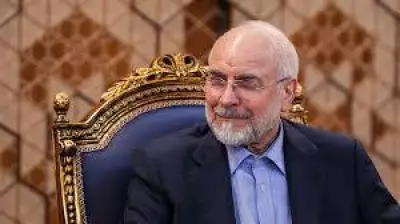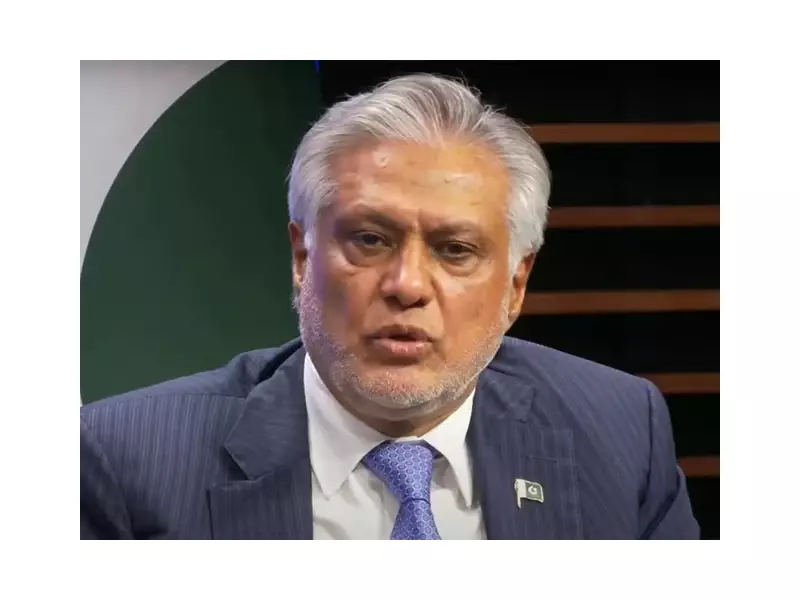
Pakistan's Foreign Minister, Senator Ishaq Dar, has issued a strong condemnation following a disturbing incident in India's Bihar state. The senior diplomat expressed profound concern over reports that a Muslim woman was forcibly made to remove her hijab by local authorities, an act he described as a blatant violation of religious freedom and human dignity.
Official Condemnation from Islamabad
In an official statement released by the Ministry of Foreign Affairs, Ishaq Dar denounced the actions linked to Bihar Chief Minister Nitish Kumar's administration. The incident, which has sparked outrage, reportedly involved a woman being compelled to take off her headscarf in a public setting. Dar emphasized that such acts targeting religious symbols and practices are unacceptable and contravene fundamental human rights.
The Foreign Minister's reaction underscores Pakistan's consistent position on the protection of religious freedoms for minorities. He highlighted the growing concerns regarding the treatment of Muslim communities in India, pointing to this event as a manifestation of rising majoritarianism. Dar called upon the Indian government to ensure the safety and security of its Muslim citizens and to uphold their constitutional rights to practice their faith freely.

Details of the Bihar Incident
While the exact date and location within Bihar were detailed in the original report, the core of the incident remains clear: a woman's right to wear religious attire was violated by state authorities. The forcible removal of the hijab is seen not just as a personal violation but as part of a broader pattern of intimidation. The incident quickly gained traction on social media, leading to widespread condemnation from civil society groups and human rights advocates within India and internationally.
This event follows a series of contentious debates and legal battles in India over the hijab, particularly in educational institutions. However, the direct involvement of state authorities in such a forceful manner marks a significant escalation, drawing sharp diplomatic criticism from Pakistan.
Regional Implications and Call for Action
Ishaq Dar's statement is more than a diplomatic rebuke; it is a call for introspection and action. He urged the international community to take note of the deteriorating situation for minorities in India. The statement serves to reaffirm Pakistan's role as a vocal advocate for Muslim rights globally, particularly in South Asia.
The condemnation also places a spotlight on the leadership of Bihar Chief Minister Nitish Kumar, holding his administration accountable for the actions of its officials. It raises questions about the rule of law and the protection of minority rights under the current political climate in India.
This development is likely to further strain the already tense relations between Pakistan and India. It adds a significant human rights dimension to the existing bilateral disputes, making the path to dialogue even more complex. The Pakistani foreign ministry's firm stance signals that issues of religious persecution will remain a key point of contention in its diplomatic engagements concerning India.
In conclusion, Foreign Minister Ishaq Dar's strong condemnation of the hijab removal incident in Bihar highlights a critical clash between state authority and individual religious freedom. It underscores the urgent need for safeguarding minority rights and sets a firm diplomatic posture for Pakistan on the international stage regarding the treatment of Muslims in neighboring India.