The United Nations' nuclear watchdog has issued a stark warning: the massive shield built to contain the radioactive ruins of Chernobyl's exploded reactor can no longer do its job. This critical failure is a direct result of a drone strike earlier this year, raising fresh concerns about nuclear safety in the region.
IAEA Mission Confirms Critical Damage
Inspectors from the International Atomic Energy Agency (IAEA) conducted a rare visit to Ukraine starting December 1. Their primary goal was to assess the status of electrical substations powering the country's three operational nuclear plants. As part of this mission, the team also examined the condition of the New Safe Confinement (NSC) at the defunct Chernobyl site.
The NSC is a monumental steel arch, installed in 2016 and inaugurated in 2019, designed to seal off the radioactive remains of the reactor that catastrophically exploded in 1986. It replaced the original Soviet-built "sarcophagus." However, in February, a Russian drone strike severely damaged the NSC's roof and caused a major fire in its outer cladding.

Loss of Primary Safety Function
In a statement released on Friday, the IAEA delivered its sobering assessment. "The mission confirmed that the NSC had lost its primary safety functions, including the confinement capability," the agency stated. This means the structure can no longer reliably perform its main task of blocking the release of radioactive material into the environment.
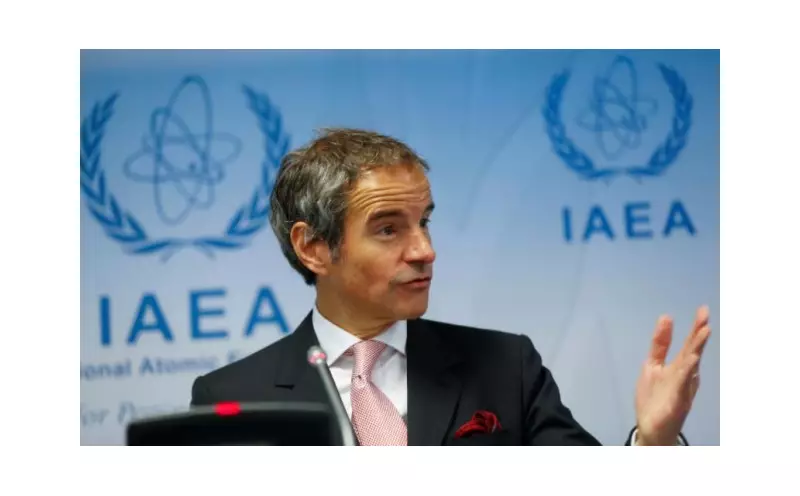
On a slightly positive note, the inspectors found no permanent damage to the NSC's load-bearing structures or its monitoring systems. IAEA Director General Rafael Grossi emphasized the urgency of the situation, stating, "Limited temporary repairs have been carried out on the roof but timely and comprehensive restoration remains essential to prevent further degradation and ensure long-term nuclear safety."
Path Forward Amid Ongoing Conflict
The path to a full fix is complicated by the ongoing war. The IAEA announced that further temporary repairs to re-establish some confinement function are planned for 2026. These measures are seen as a stopgap, "paving the way for full restoration once the conflict ends" between Ukraine and Russia.
This development underscores the severe and lasting consequences of military actions around nuclear facilities. The world is reminded that the shadow of the Chernobyl disaster remains long, and its containment is fragile, requiring constant vigilance and protection even decades later.