Foreign ministers from Southeast Asian nations gathered in Kuala Lumpur, Malaysia, on Monday in a critical effort to stop the escalating border war between Thailand and Cambodia. This urgent meeting follows two weeks of fierce combat that has resulted in at least 60 deaths and forced more than half a million people from their homes.
Diplomatic Push for a Fragile Truce
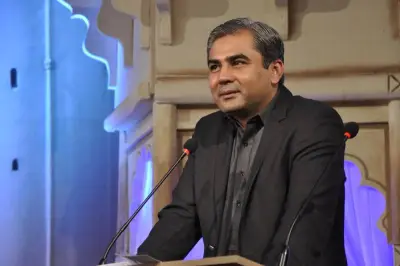
The Association of Southeast Asian Nations (ASEAN) ministers aimed to salvage a ceasefire initially mediated by Malaysia, the current ASEAN chair, and US President Donald Trump after similar clashes in July. This marked the first direct talks between the Thai and Cambodian governments since fighting violently resumed on December 8. Malaysia's Foreign Minister, Mohamad Hasan, opened the session by urging the bloc to take a stronger stand. "ASEAN must do whatever is necessary to maintain regional peace and stability," he stated, emphasizing the need to build trust and open dialogue between the adversaries.
Accusations and Intensified Hostilities
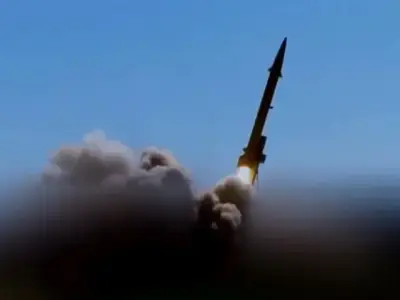
The diplomatic efforts in Malaysia unfolded against a backdrop of continued violence and mutual blame. Both Bangkok and Phnom Penh accuse each other of aggression and violating earlier truce agreements, including one reinforced in October that promised troop withdrawals and demining. Heavy weapons fire has erupted along multiple points of their 817-kilometre shared border. On the very day of the meeting, Cambodia's defence ministry accused Thailand of fresh "armed aggression" and vowed to defend its territory "at any cost." Thailand, meanwhile, alleged Cambodia fired rockets at a border town and laid new landmines, causing a soldier to lose a leg—a claim Cambodia denies.

Thailand has responded with airstrikes on Cambodian positions and halted fuel shipments via Laos, suspecting diversion to Cambodia. The Thai army also claims Cambodia has used drones to bomb its bases and targeted civilian areas with rockets.
The Path Forward and International Involvement
Malaysian Prime Minister Anwar Ibrahim expressed cautious optimism ahead of the talks, noting that both Thai caretaker Premier Anutin Charnvirakul and Cambodian Prime Minister Hun Manet desired a swift, peaceful resolution. An ASEAN monitoring team is set to present its findings to the ministers, using field observations and data from US-provided satellite technology. This meeting represents a crucial test for ASEAN's role as a peacemaker, occurring alongside separate but so far unsuccessful diplomatic initiatives by China and the United States to end the conflict.