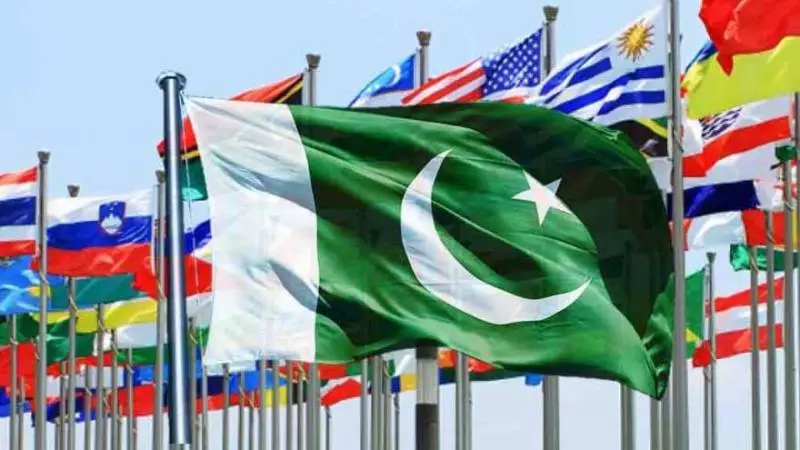
The year 2025 has been etched into the annals of Pakistan's history as a period of remarkable diplomatic resurgence and strategic assertion on the world stage. Through a series of high-level engagements and calculated foreign policy maneuvers, the nation successfully repositioned itself, fostering stronger ties with both traditional allies and new strategic partners. This proactive outreach has not only bolstered Pakistan's international image but has also opened new avenues for economic cooperation and regional stability.
Historic Engagements and Strategic Partnerships
At the heart of this diplomatic success were the landmark visits by key global leaders to Islamabad. Russian President Vladimir Putin's visit in November 2025 stood out as a historic first, signaling a significant deepening of bilateral relations. This was closely followed by the arrival of British Prime Minister Keir Starmer, marking a renewed engagement with a major European power. These visits were complemented by Pakistan's active participation in premier international forums, including the United Nations General Assembly session and the Shanghai Cooperation Organisation (SCO) summit in Astana.
Furthermore, the country played a pivotal role in mediating regional dialogues, most notably between Iran and Saudi Arabia, enhancing its reputation as a responsible and influential regional actor. The government's "Vision 2025" diplomatic framework provided the strategic direction for these efforts, focusing on economic diplomacy, peace-building, and climate advocacy.

Economic Diplomacy and Global Standing
The diplomatic thrust of 2025 was intrinsically linked to Pakistan's economic objectives. A major outcome was the securing of a new, larger International Monetary Fund (IMF) program, which provided crucial stability to the national economy. Concurrently, efforts to attract foreign direct investment (FDI) gained momentum, with special economic zones being promoted to investors from the Gulf Cooperation Council (GCC) and East Asia.
On the global advocacy front, Pakistan emerged as a leading voice for climate justice, particularly following the devastating 2024 floods. The country championed the cause of loss and damage financing for developing nations at COP30, garnering widespread support. This leadership on climate issues, combined with its consistent stance on Kashmir and Palestine, reinforced Pakistan's principled position in multilateral arenas.
Regional Dynamics and Future Trajectory
The year also witnessed a nuanced approach to complex regional relationships. While efforts to normalize trade with India remained stalled due to ongoing tensions, Pakistan maintained a firm yet diplomatic stance on its core security concerns. Relations with Afghanistan continued to be challenging, centered on issues of cross-border terrorism, yet dialogue channels were kept open. In contrast, partnerships with Turkey and Azerbaijan reached new heights through enhanced defense and technological cooperation.
Analysts view 2025 as a foundational year that has set a new course for Pakistan's international relations. The successful blend of high-profile diplomacy, economic advocacy, and principled stands on global issues has created a template for future engagement. The challenge now lies in sustaining this momentum, converting diplomatic goodwill into tangible economic benefits for the Pakistani people, and navigating the evolving geopolitical landscape with the same strategic acumen demonstrated throughout this landmark year.