Pakistan's Strategic Rebranding of TTP as Fitna al-Khawarij
In a significant theological and strategic move during July 2024, Pakistan's Ministry of Interior officially redesignated the Tehreek-i-Taliban Pakistan (TTP) as Fitna al-Khawarij (FAK). This renaming is not merely symbolic but a precise historical reference to the Khawarij, a seventh-century sect that rebelled against Caliph Ali (RA) and declared other Muslims apostates, justifying violence in the name of purity. FAK mirrors this ideology today, employing suicide vests, extortion networks, and safe havens in Afghanistan while falsely labeling its actions as jihad.
Surge in Violence and Criminal Activities
Since the fall of Kabul in 2021, FAK attacks have escalated dramatically, with the group claiming responsibility for 1,758 attacks in 2024 alone. In 2025, Pakistan experienced 699 terrorist incidents resulting in at least 1,034 fatalities, marking the highest death toll in a decade. Targets have included Pakistani soldiers, police officers, educators, tribal leaders, schoolchildren, and civilians across the nation.
Contrasting this with authentic jihad, Islamic jurisprudence defines it as a defensive war under legitimate authority, strictly prohibiting harm to non-combatants, women, children, and worshippers. FAK blatantly violates these principles by bombing mosques, massacring jirgas, executing Pashtun elders who oppose them, and opposing women's participation in policing, which they deem "un-Islamic."

Scholarly Condemnation and Economic Crimes
Mainstream Islamic scholars have unanimously condemned FAK. The Paigham-e-Pakistan fatwa, endorsed by over 1,800 scholars from various sects, brands FAK's ideology as deviant and its violence as haram. Institutions from Darul Uloom Deoband to Al-Azhar have echoed this verdict, asserting that FAK's actions constitute fitna—religious fraud—rather than jihad.
Beyond violence, FAK operates as a mafia organization, funding itself through criminal enterprises. Initially reliant on kidnapping for ransom, the group now imposes "taxes" on transport, extorts businesses in former tribal areas, robs banks, traffics heroin and timber, and demands protection money. Pakistani intelligence agencies have repeatedly exposed how FAK commanders in Afghanistan coordinate these rackets alongside suicide attacks.
Pakistan's Sacrifices and Counterterrorism Efforts
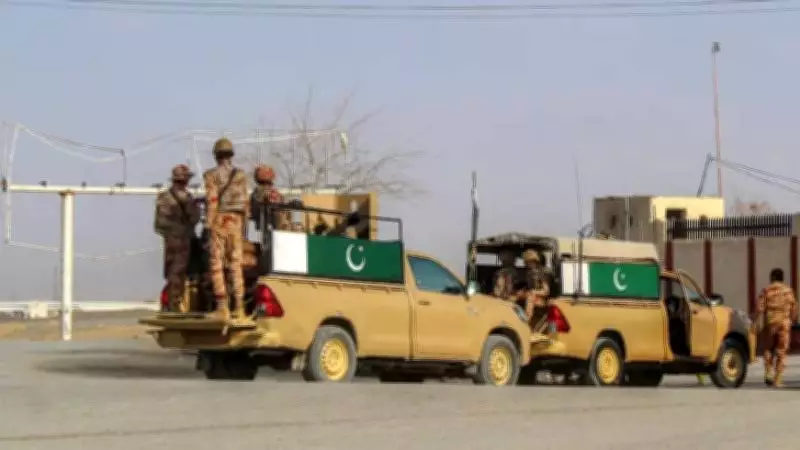
Pakistan has borne immense costs in confronting this threat, with over 80,000 citizens, soldiers, and police martyred since 2001 and economic losses exceeding $150 billion. Military operations such as Zarb-e-Azb and Radd-ul-Fasaad have cleared FAK strongholds, while ongoing initiatives like Operation Ghazab-Lil-Haq continue with targeted strikes and intelligence-based operations.
Transnational Threat and Global Implications
FAK poses a transnational danger, having pledged allegiance to global jihadist ideologies and targeting Chinese projects under the China-Pakistan Economic Corridor (CPEC), which is crucial for regional connectivity. If left unchecked, FAK could export its Khawarij ideology beyond Pakistan, destabilizing Central and South Asia. Pakistan's fight is not against fellow Muslims but in defense of Islam from those who hijack it for power and profit.
By accurately labeling FAK as a criminal rebellion masquerading as faith, Pakistan has stripped the group of religious legitimacy. The international community must recognize this reality, applying pressure on sanctuaries, sharing intelligence, and acknowledging Pakistan's just struggle. As soldiers in North Waziristan and scholars in Islamabad affirm, there is no jihad in killing one's own people for gain. Pakistan remains on the frontline against terrorism, deserving support rather than criticism in its pursuit of peace.