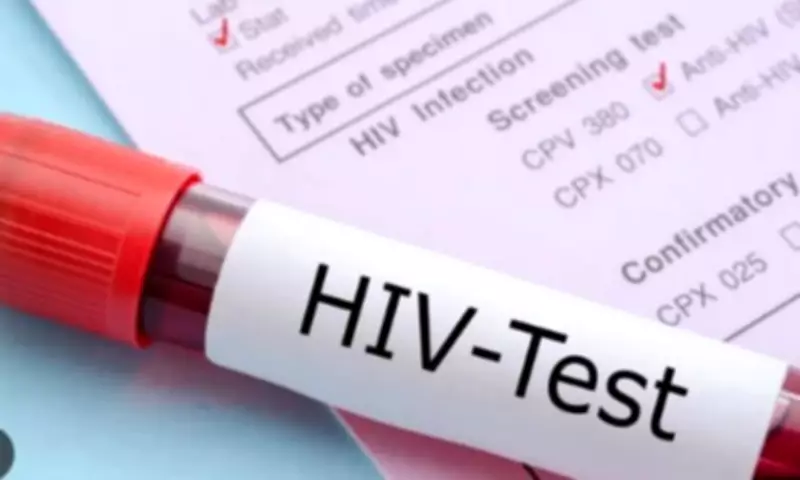
Alarming HIV Surge in Islamabad: 618 New Cases Reported in Recent 15-Month Period
Health authorities in Pakistan's capital city are confronting a significant public health challenge as new data reveals a concerning acceleration in HIV transmission rates. According to an official government report, Islamabad has documented a total of 618 newly confirmed HIV infections during the period spanning from January 2025 through March 2026.
Detailed Breakdown of Infection Statistics
The comprehensive report provides specific numerical insights into this developing health situation. During the calendar year 2025 alone, Islamabad recorded 498 HIV cases. This figure expanded to reach the total of 618 cases when including the first three months of 2026. Government analysts have calculated that this translates to an average of more than 41 individuals contracting HIV each month within the federal capital.
The demographic distribution of these cases shows a pronounced concentration among specific population groups. Adult males represent a clear majority, accounting for 64 percent of all reported infections. A detailed gender and age breakdown of the 618 total cases indicates that 397 infections occurred among men, 106 among women, 93 among transgender individuals, and 22 among children.

Monthly Trends and Recent Developments
The official data reveals notable fluctuations in monthly case numbers throughout the reporting period. July 2025 emerged as the month with the highest infection count, recording 63 new HIV cases. In contrast, the lowest monthly figures were observed in both June and December of 2025, with each month documenting 31 cases.
The first quarter of 2026 has already shown continued transmission momentum, with health officials reporting 120 new HIV cases during this three-month period alone. This recent data suggests the infection rate remains persistently elevated as the new year progresses.
Expert Analysis of Contributing Factors
Medical specialists and public health researchers have identified several key factors driving this accelerated HIV spread in Islamabad. The predominant transmission pathway appears to be unsafe sexual practices, particularly among younger male populations. Experts emphasize that these high-risk behaviors are frequently exacerbated by substance abuse.
A specific and concerning correlation has been established with the use of "ice," the street name for crystal methamphetamine. This powerful stimulant drug has been directly linked to impaired judgment and increased engagement in unprotected sexual activities, creating ideal conditions for HIV transmission. The drug's association with heightened sexual risk-taking has made it a significant contributor to the current infection surge.
National Context and Bro Implications
This localized outbreak in Islamabad occurs against the backdrop of Pakistan's broader HIV landscape. National health estimates indicate that approximately 350,000 people are currently living with HIV across the country. The concentration of new cases in the federal capital, particularly among specific demographic groups, highlights the need for targeted intervention strategies.
The sustained monthly infection rate exceeding forty cases represents a substantial public health burden for Islamabad's healthcare infrastructure. Health authorities now face the dual challenge of containing further transmission while providing adequate care and support services for those already affected. This situation underscores the ongoing importance of comprehensive sexual health education, accessible testing facilities, and harm reduction programs, particularly for at-risk populations including young men and substance users.