BANDA ACEH: A series of devastating natural disasters across Southeast Asia has led to a tragic loss of life, with Indonesia's island of Sumatra bearing the brunt of the catastrophe. The country's disaster management agency confirmed on Saturday that ruinous floods and landslides have killed more than 900 people, with fears that starvation in isolated communities could push the death toll even higher.
A Regional Calamity Unfolds
A relentless chain of tropical storms and intense monsoon rains has battered Southeast and South Asia over the past week. This severe weather has triggered deadly flash floods and landslides across a vast region, from the dense rainforests of Sumatra to the highland plantations of Sri Lanka. The cumulative death toll from these unfolding disasters in Indonesia, Sri Lanka, Malaysia, Thailand, and Vietnam has now surpassed 1,790 individuals.
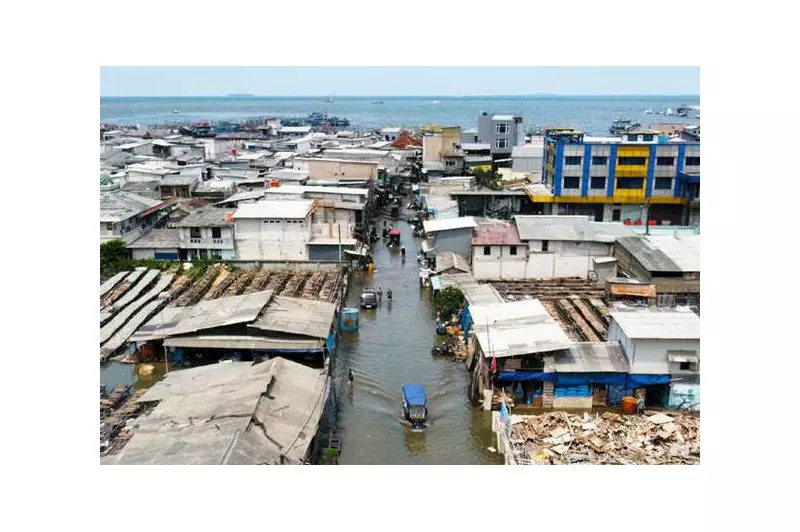
In Indonesia, the provinces of Aceh and North Sumatra have been particularly hard-hit. Raging floodwaters have demolished roads, buried homes under thick layers of silt, and completely severed supply lines to numerous areas. The scale of destruction became more apparent as swollen rivers began to recede, revealing the full extent of the damage.

Starvation and Desperation in Aceh
Aceh Governor Muzakir Manaf painted a grim picture, stating that rescue teams were continuing to search for bodies in mud that was waist-deep. He emphasized that beyond the immediate floodwaters, starvation now poses one of the gravest threats to survival in remote and inaccessible villages. "Many people need basic necessities. Many areas remain untouched in the remote areas of Aceh," he told reporters. "People are not dying from the flood, but from starvation. That's how it is."
Governor Manaf described the Aceh Tamiang region as "completely destroyed, from the top to the bottom." He lamented that entire villages had been washed away, leaving only their names behind. Survivors like Fachrul Rozi shared harrowing accounts of spending a week crammed into an old shop building with other displaced people, surviving on whatever little food they could pool together.
Calls for National Disaster Status
The devastation has sparked frustration and calls for a stronger governmental response. Aceh resident Munawar Liza Zainal expressed feeling "betrayed" by the Indonesian government's reluctance to officially declare a national disaster. Such a declaration would mobilize additional resources and improve coordination among relief agencies. "This is an extraordinary disaster that must be faced with extraordinary measures," he argued, questioning the delay.
Analysts suggest the government may be hesitant to seek extensive foreign aid, fearing it could be perceived as an inability to handle the crisis domestically. Officials, however, have insisted they can manage the fallout.
The final death toll in Indonesia stood at 908 on Saturday, with 410 people still missing. The disaster has raised alarms among humanitarian groups, who worry its scale could be unprecedented even for a nation accustomed to natural calamities. Environmental experts point to logging and deforestation as factors that likely worsened the landslides and flooding in Sumatra.
Meanwhile, the wider region continues to suffer. Sri Lanka's confirmed deaths jumped to 607 by Friday, with new rains threatening further landslides. Thailand reported 276 fatalities, Malaysia two, and Vietnam at least two from related incidents.
While seasonal monsoons are a part of life in Southeast Asia, climate change is making these events more erratic, unpredictable, and deadly. The current catastrophe underscores the urgent need for robust disaster preparedness and climate adaptation strategies across the vulnerable region.