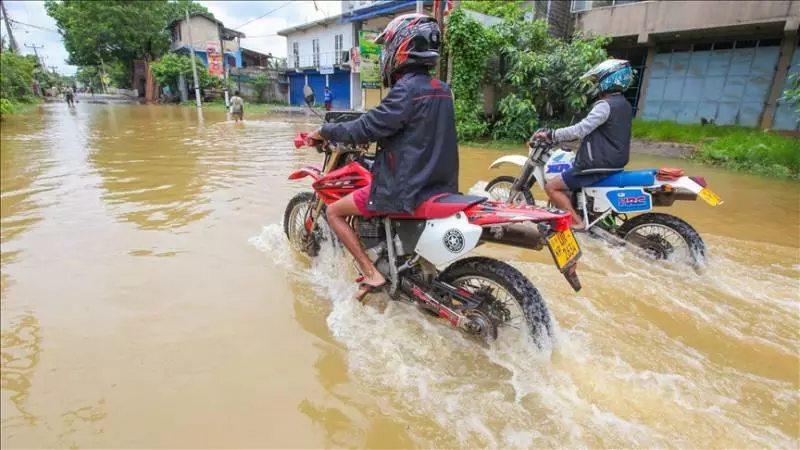
Catastrophic flooding and a series of devastating landslides have plunged Sri Lanka into a state of profound grief and emergency. The latest official figures paint a grim picture of the disaster's human cost, with rescue teams battling against time and the elements.
Mounting Casualties and Widespread Destruction
The death toll has climbed to a staggering 334, according to authorities. In an even more distressing development, the number of individuals reported missing has surged to approximately 370. The calamity, triggered by exceptionally heavy monsoon rains, has left a trail of destruction across multiple districts, submerging villages, sweeping away homes, and triggering fatal mudslides.
Rescue operations, involving the military, police, and volunteers, are proceeding with immense difficulty. Continuous rainfall and damaged infrastructure, including blocked roads and fallen bridges, are severely hampering access to the worst-hit, remote areas. The focus remains on searching for survivors trapped in the debris and evacuating those stranded by the rising waters.

A Nation in Crisis: Response and Aftermath
The scale of the disaster has overwhelmed local resources. Thousands of families have been displaced, seeking refuge in temporary relief camps set up in schools and public buildings. There is an urgent and growing need for clean drinking water, food, medical supplies, and shelter materials to prevent a secondary health crisis.
International aid agencies and neighboring countries, including India, are mobilizing support. The Sri Lankan government has declared a state of emergency in the affected regions and is appealing for global assistance. The economic impact is expected to be severe, with vast areas of agricultural land ruined and critical infrastructure destroyed.
The Road to Recovery
As the immediate rescue phase continues, attention is also turning to the monumental task of recovery and rehabilitation. The psychological trauma for survivors, particularly those who have lost family members and homes, will require long-term support. Rebuilding shattered communities and restoring essential services will be a challenge that lasts for years, not months.
This tragedy in Sri Lanka serves as a stark reminder of the increasing frequency and intensity of climate-related disasters in South Asia. It underscores the critical need for enhanced regional cooperation on disaster preparedness and resilient infrastructure to mitigate the impact of future calamities.