Monsoon Death Toll Reaches 17 as Heavy Rain Continues
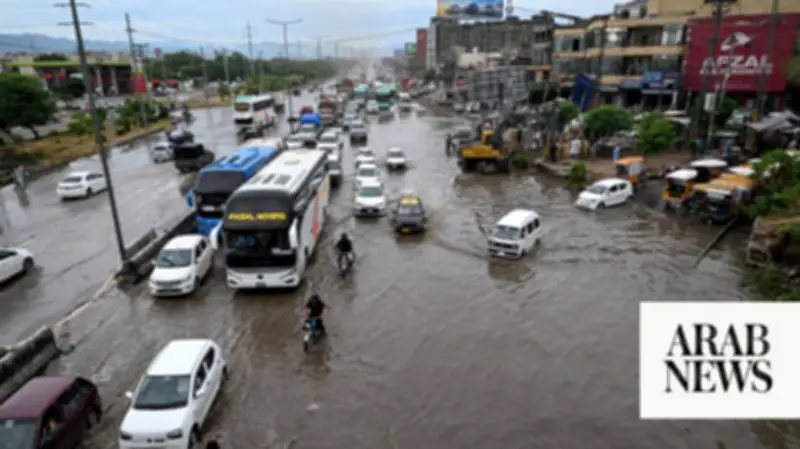
Monsoon rains have killed 17 people and injured 41 across Pakistan since June 26, disaster management authorities said on Friday, as forecasters warned another spell of heavy rainfall next week could increase river flows across much of the country.
The National Disaster Management Authority (NDMA), in its latest daily situation report, said one child was killed and three children were injured after a house collapsed in Zhob district in the southwestern province of Balochistan during the past 24 hours. The report said Khyber Pakhtunkhwa, which borders Afghanistan, has recorded the highest number of monsoon-related deaths since June 26, followed by Punjab and Balochistan.
Forecast Warns of Increased River Flows
“Scattered monsoon rains with isolated heavy falls are expected over the upper catchments of all major rivers, Islamabad, Khyber Pakhtunkhwa, Kashmir, Gilgit-Baltistan, North Punjab and North Balochistan from 06th to 09th July,” the Pakistan Meteorological Department’s Flood Forecasting Division said in its latest bulletin. “Flows are expected to increase in all the major rivers from 06th to 09th July,” it added.

According to the NDMA, 88 houses have been damaged and 163 livestock have died since June 26. Flash floods also damaged roads and homes in parts of Gilgit-Baltistan, Pakistan’s mountainous northern region bordering China.
Current River Levels Normal but Alert Advised
The Meteorological Department said all major rivers were currently flowing within normal limits but advised authorities to remain alert as the fresh weather system moves across northern and northwestern Pakistan over the coming days. Pakistan’s annual monsoon season, which runs from June to September, regularly triggers flash floods, landslides and house collapses, particularly in the country’s mountainous north and low-lying river plains.
Pakistan is among the countries most vulnerable to climate change despite contributing less than one percent of global greenhouse gas emissions.
Past Monsoon Disasters Highlight Vulnerability
In 2022, record monsoon floods killed more than 1,700 people, affected 33 million and caused more than $30 billion in damages and economic losses, according to Pakistan’s government and the World Bank. The country was again hit by severe monsoon rains in 2025, when over 1,000 people were killed and millions affected, with Punjab, Pakistan’s most populous province and agricultural heartland, suffering extensive losses to crops and livestock.
Scientists say climate change is increasing both the frequency and intensity of extreme weather events in South Asia, making Pakistan particularly vulnerable because of its geography, rapid glacier melt and large populations living along major river systems.