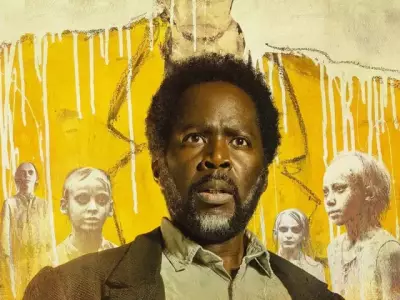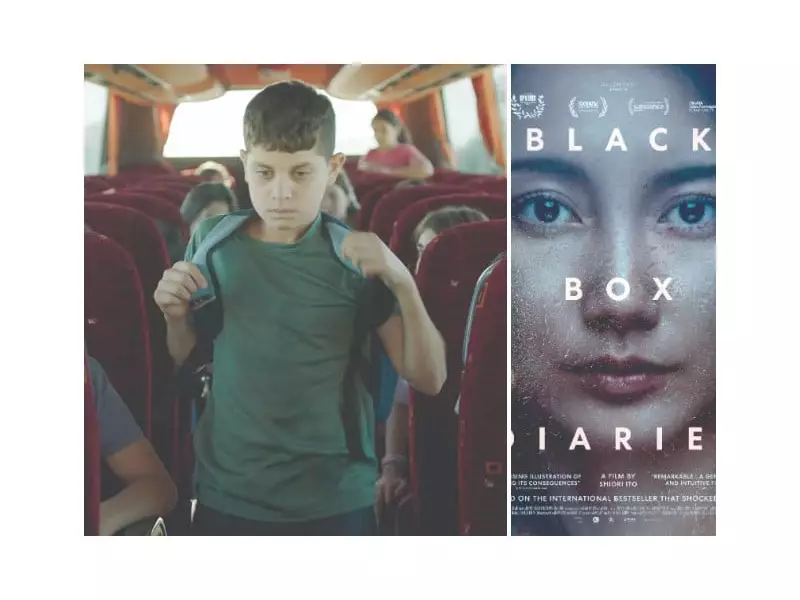
Pakistan's film industry is witnessing a powerful moment of reckoning as two distinct movies tackle pressing societal issues head-on. Dhai Chaal and Gunjal, though different in narrative, share a common thread of challenging established norms and corruption within Pakistani society.
Dhai Chaal: Unmasking Digital Deception
Directed by Taha Ali, Dhai Chaal presents a gripping narrative centered around digital manipulation and its real-world consequences. The film follows the story of a young man whose life is destroyed when his image is maliciously photoshopped and circulated online.
What begins as digital harassment escalates into a devastating series of events, ultimately leading to his tragic death. The movie serves as a stark commentary on how technology can be weaponized to destroy lives and reputations in contemporary Pakistan.

Director Taha Ali emphasizes that the film explores "how digital manipulation can ruin lives" in today's interconnected world. The timing of this release coincides with increasing global awareness about cybercrimes and their devastating impacts on individuals and families.
Gunjal: Exposing Child Exploitation
In a parallel cinematic endeavor, Gunjal tackles the harrowing reality of child labor and exploitation. Directed by the acclaimed Shoaib Sultan, the film is based on the true story of Iqbal Masih, a child rights activist whose life was tragically cut short.
The narrative follows a journalist's investigation into the brutal murder of a child labor activist, uncovering deep-rooted corruption and systemic failures. Ahmed Ali Adeeb delivers a powerful performance as the determined journalist risking everything to expose the truth.
Director Shoaib Sultan explains that the film aims to "shed light on the persistent issue of child labor in Pakistan" while honoring the legacy of real-life activists who have fought against this injustice.
A Cinematic Movement for Change
Both films represent a significant shift in Pakistani cinema toward socially conscious storytelling. Rather than opting for commercial entertainment, these filmmakers have chosen to address uncomfortable truths that many in society prefer to ignore.
The simultaneous release of these two powerful narratives creates a unique moment in Pakistan's cultural landscape. Industry experts note that this represents a growing trend of filmmakers using their craft to spark important conversations about justice, accountability, and social reform.
What makes this cinematic moment particularly significant is the timing. Both films are releasing during a period of increased public awareness about social justice issues in Pakistan, potentially amplifying their impact and relevance.
The performances across both films have been widely praised, with particular attention given to the lead actors' ability to convey the emotional weight of their characters' struggles. Critics have noted that the authenticity of these portrayals adds to the films' powerful messaging.
As Pakistani cinema continues to evolve, Dhai Chaal and Gunjal stand as testament to the industry's growing maturity and willingness to engage with difficult subjects. They represent not just entertainment, but a form of social commentary that could potentially influence public discourse and policy discussions.
The reception of these films among Pakistani audiences will be closely watched, as it may indicate the public's readiness for cinema that challenges rather than comforts, that questions rather than confirms, and that seeks to inspire change rather than merely entertain.