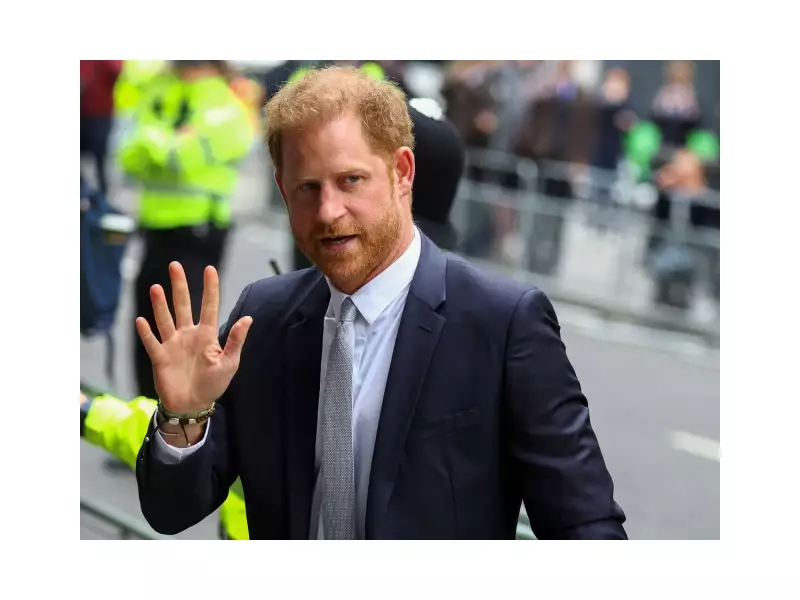
Prince Harry, the Duke of Sussex, has publicly rejected a sensational claim made by a royal author that he once referred to his son, Prince Archie, as "my little African child." The allegation, which surfaced in a recent book, has been met with a firm denial from Harry himself.
Clarification from the Duke's Memoir
The controversial statement was attributed to Harry in a book by author Tom Bower, titled 'Revenge: Meghan, Harry and the war between the Windsors.' According to Bower, Harry made the remark shortly after Archie's birth in May 2019. However, Prince Harry has now set the record straight in his own bestselling memoir, 'Spare,' which was published in January 2023.
In 'Spare,' Harry explicitly addresses the claim, labeling it as a fabrication. He clarifies that the words were never spoken by him. This direct refutation within his personal account puts to rest a story that had circulated in certain media and biographical reports.

The Origin of the Controversial Claim
The claim originally stemmed from Tom Bower's book, which suggested the comment was made in a private moment. The phrase "my little African child" was presented as an affectionate nickname, alluding to Meghan Markle's heritage. However, without corroboration and now facing a direct denial from the subject, the accuracy of Bower's reporting is heavily contested.
This incident is not isolated. It fits into a broader pattern where Prince Harry and Meghan Markle have confronted what they describe as misinformation and invasive scrutiny from certain quarters of the media and unauthorized biographers. Their move to the United States and step back from royal duties was partly motivated by a desire to escape this intense press environment.
Broader Context of Media Narratives
The denial comes amidst the ongoing public discourse about race, representation, and the treatment of Meghan Markle within the British monarchy. Harry and Meghan have previously suggested that unconscious bias and racially charged narratives played a role in their experiences with the UK press and within royal institutions.
By using his memoir to correct this specific claim, Prince Harry continues his effort to reclaim his narrative from what he perceives as false or misleading accounts published by others. It underscores his commitment to addressing inaccuracies head-on, especially those concerning his immediate family.
For readers in Pakistan and globally who follow royal news, this serves as a reminder of the complex relationship between the Sussexes and the media ecosystem. It highlights the challenges of separating fact from speculation in highly publicized personal stories.