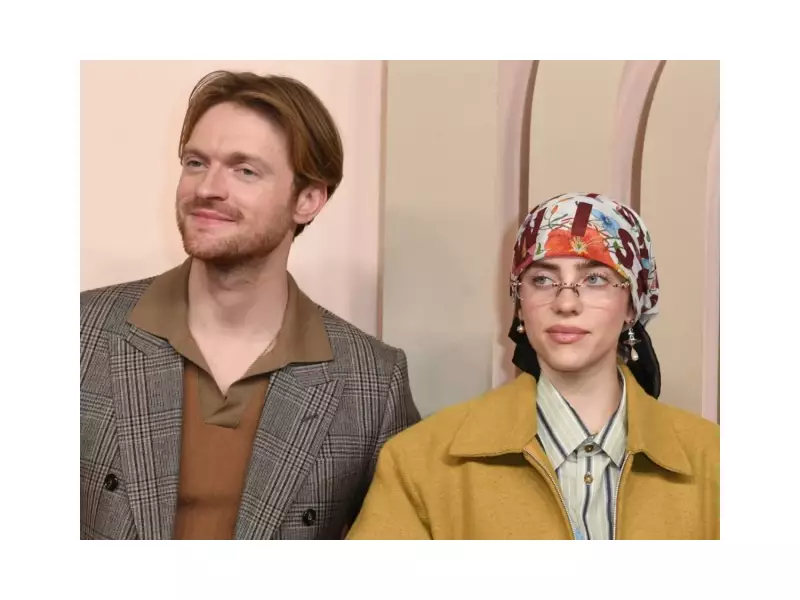
Billie Eilish's brother and longtime collaborator, Finneas O'Connell, has stepped in to defend the pop sensation against a wave of online criticism. The backlash targeted a recent decision to restock a special edition Uno card game that was part of a collaboration between the singer and the classic game brand.
What Sparked the Fan Backlash?
The controversy began when the Billie Eilish-themed Uno deck, which initially sold out quickly after its release, was made available again for purchase. This restock frustrated some fans who had bought the deck during the first wave, believing they owned a limited-edition item. Their disappointment spilled over onto social media platforms, with some accusing the singer's team of exploiting fans for profit by not clearly marking the product as a potentially ongoing item.
Fans expressed their feelings directly on social media, with comments suggesting the restock diminished the value of their original purchase. The sentiment centered on the idea that the collaboration was marketed with an implied scarcity that turned out not to be true.

Finneas Enters the Fray
Seeing the negative comments directed at his sister, Finneas decided to address the issue head-on. He took to an Instagram Stories post to offer a pointed rebuttal to the critics. Finneas argued that the core purpose of merchandise, including the Uno game, is for fans to enjoy it.
His defense framed the restock as a positive move. "If you bought it, you have it, you can play it, it's yours," he stated, questioning the logic of being upset that more fans now have the same opportunity. He emphasized that the item's value should be in the enjoyment it brings, not in its exclusivity as a collectible. Finneas's message was clear: making a product accessible to more people who are fans of Billie Eilish is a good thing, not a deceptive practice.
The Broader Conversation on Celebrity Merchandise
This incident highlights a recurring tension in the world of celebrity and influencer commerce. On one side, fans often seek unique, limited items that feel special and denote early or dedicated support. On the other side, artists and brands naturally want to meet consumer demand and ensure products are available to their broader audience.
The key issue often boils down to communication. When products are not explicitly labeled as a one-time, limited run, assumptions about scarcity can lead to disappointment. The Billie Eilish Uno collaboration appears to be a case where fan expectations of exclusivity were not aligned with the business strategy of the brands involved.
Finneas's intervention shifts the focus from investment and rarity to utility and fandom. It raises questions about the modern fan culture that sometimes prioritizes the perceived status of owning a rare item over the simple support of an artist through their official products.
Ultimately, the restock is proceeding, and the Uno game remains available for any fan who wishes to purchase it. While the initial criticism reflected genuine disappointment from a segment of fans, Finneas's defense champions a more inclusive view of merchandise, where the goal is widespread enjoyment rather than controlled scarcity.