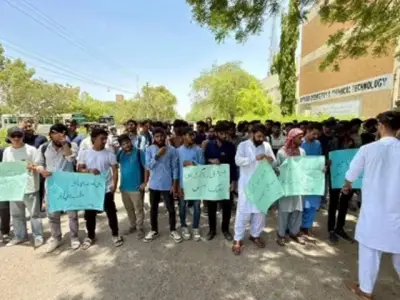
Pakistan's immense potential is often said to lie in its young population, a vibrant and energetic force poised to drive the nation forward. However, this promise is under severe threat due to a series of interconnected challenges that demand immediate and concerted action.
The Daunting Reality of Youth Unemployment
A primary and pressing issue crippling the aspirations of young Pakistanis is widespread unemployment. A shocking number of educated graduates, even those holding professional degrees, find themselves unable to secure suitable jobs. This crisis extends beyond financial hardship, breeding deep-seated frustration and a sense of disillusionment among the country's brightest minds.
The situation is made worse by several systemic failures. A lack of merit-based hiring practices, scarce career opportunities, and a weak connection between what universities teach and what industries need have created a perfect storm. Consequently, many talented individuals are forced into underemployment or make the difficult decision to seek opportunities abroad, leading to a damaging brain drain.

The Critical Shortfall in Skills-Based Learning
Parallel to the jobs crisis is a fundamental flaw in the education system. While theoretical knowledge is valued, there is a severe shortage of practical, skills-based education and career guidance. Most institutions heavily prioritize theory, leaving students ill-equipped to handle the demands of the modern workplace.
This disconnect does more than just limit job readiness; it erodes confidence and stifles professional growth from the outset. Students graduate with degrees but often without the applicable skills or clear direction to navigate their careers successfully.
A Collaborative Path Forward for Empowerment
Tackling these deep-rooted problems requires a unified strategy. Policymakers, educational institutions, and the private sector must collaborate to build effective solutions. Key interventions include:
- Significant investment in entrepreneurship programs, internships, and vocational training.
- The establishment of transparent and merit-based hiring practices across all sectors.
- The integration of early career counselling and mentoring within educational curricula to help students make informed choices.
Empowering the youth must be an unwavering national priority for Pakistan to achieve sustainable development. Only by nurturing a generation that is confident, skilled, and motivated can the country pave the way for a stable and prosperous future. The time for decisive action is now.