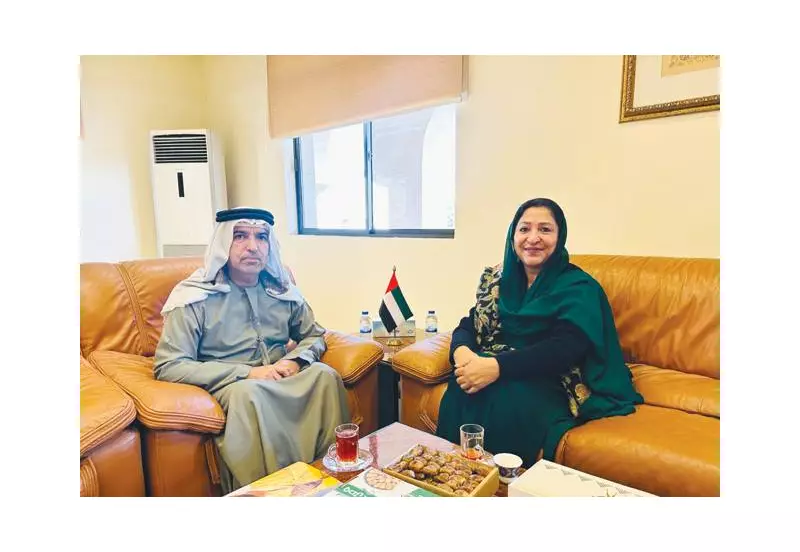
In a significant move to bolster human resource development, Pakistan and the United Arab Emirates have committed to strengthening their collaborative efforts in the crucial fields of education and technical training. This mutual pledge was formalized during a high-level meeting between the two nations' officials, marking a new chapter in their bilateral relations focused on building a skilled workforce for the future.
A Strategic Partnership for Skill Development
The core of this enhanced cooperation lies in a shared vision to equip the youth with modern, industry-relevant skills. Both countries recognize the critical importance of technical and vocational education and training (TVET) in driving economic growth and ensuring sustainable development. The discussions centered on creating frameworks that would facilitate the exchange of expertise, curriculum development, and best practices in vocational training.
This initiative is expected to open new avenues for Pakistani professionals and students, providing them with opportunities for advanced training and exposure to the UAE's dynamic job market. The collaboration is not just about education but is strategically aligned with the economic needs of both nations, aiming to produce a highly skilled manpower pool that can contribute effectively to various sectors.

Key Areas of Focus and Implementation
The bilateral talks identified several concrete areas for joint action. A primary focus will be on enhancing institutional linkages between Pakistani and Emirati educational and training institutions. This could involve faculty exchange programs, joint research projects, and the development of dual certification programs that are recognized in both countries.
Furthermore, the partnership will look into aligning Pakistan's technical training curricula with the evolving demands of the UAE's labor market, particularly in sectors like construction, hospitality, healthcare, and information technology. The goal is to ensure that Pakistani graduates possess the precise skills sought by employers in the Gulf region, thereby increasing their employability and the potential for overseas remittances.
Long-Term Implications for Pakistan's Economy
This renewed commitment with the UAE holds profound implications for Pakistan's socio-economic landscape. By prioritizing skill development and technical education, Pakistan can address its challenge of youth unemployment more effectively. A workforce trained according to international standards will not only find better opportunities abroad but will also attract higher foreign investment into the country's own industrial and service sectors.
The agreement underscores a shift in diplomatic engagement towards more practical and outcome-oriented partnerships. Moving beyond traditional diplomacy, this focus on human capital development represents a forward-looking approach that directly benefits the citizens of both countries. It strengthens the people-to-people bonds and creates a solid foundation for long-term, mutually beneficial economic relations.
As both nations work to implement the understandings reached, this partnership is poised to become a model for South-South cooperation, demonstrating how shared goals in education and training can pave the way for shared prosperity and a stronger bilateral relationship.