Differently-Abled Youth Achieve Milestone with Technical Diplomas
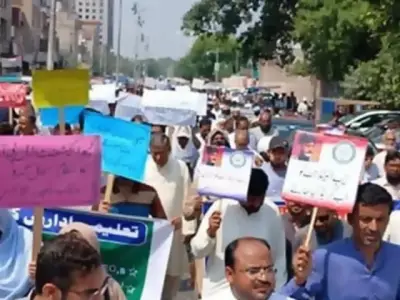
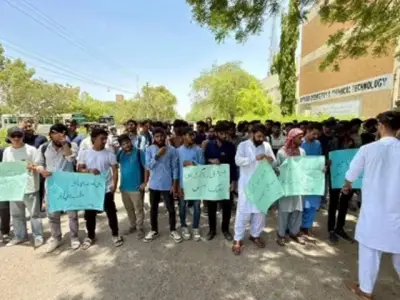
In a heartening development for Pakistan's social and economic landscape, a cohort of differently-abled young individuals has successfully completed technical diploma programs, showcasing their resilience and potential. This achievement not only highlights their personal triumphs but also underscores the broader movement towards inclusivity and empowerment for people with disabilities in the country.
Breaking Barriers Through Education and Skill Development
The youth, who faced various physical and sensory challenges, participated in specialized training courses designed to equip them with practical skills in fields such as information technology, vocational trades, and other technical areas. These programs were tailored to accommodate their unique needs, ensuring an accessible and supportive learning environment. By earning these diplomas, they have gained valuable qualifications that can open doors to employment opportunities, fostering greater independence and self-reliance.
Impact on Economic Empowerment and Social Integration
This milestone is a significant step towards economic empowerment for differently-abled individuals in Pakistan. Historically, people with disabilities have often been marginalized in the job market, but with technical diplomas, these youth are now better positioned to contribute to the workforce. Their success stories serve as powerful examples of how targeted education initiatives can break down societal barriers and promote social inclusion. It also aligns with global efforts to ensure equal rights and opportunities for all, as emphasized in international frameworks like the United Nations Convention on the Rights of Persons with Disabilities.

Challenges and Future Prospects
Despite this progress, challenges remain in scaling up such initiatives across Pakistan. Issues such as inadequate infrastructure, limited funding, and societal stigma can hinder the full integration of differently-abled individuals. However, the success of this group offers hope and a model for replication. Stakeholders, including government agencies, non-governmental organizations, and private sector partners, are encouraged to invest more in similar programs to expand access to technical education for all segments of society.
Looking ahead, the empowerment of differently-abled youth through technical diplomas is expected to have a ripple effect, inspiring others and contributing to a more inclusive economy. By continuing to support such endeavors, Pakistan can move closer to achieving sustainable development goals and building a society where everyone has the chance to thrive.